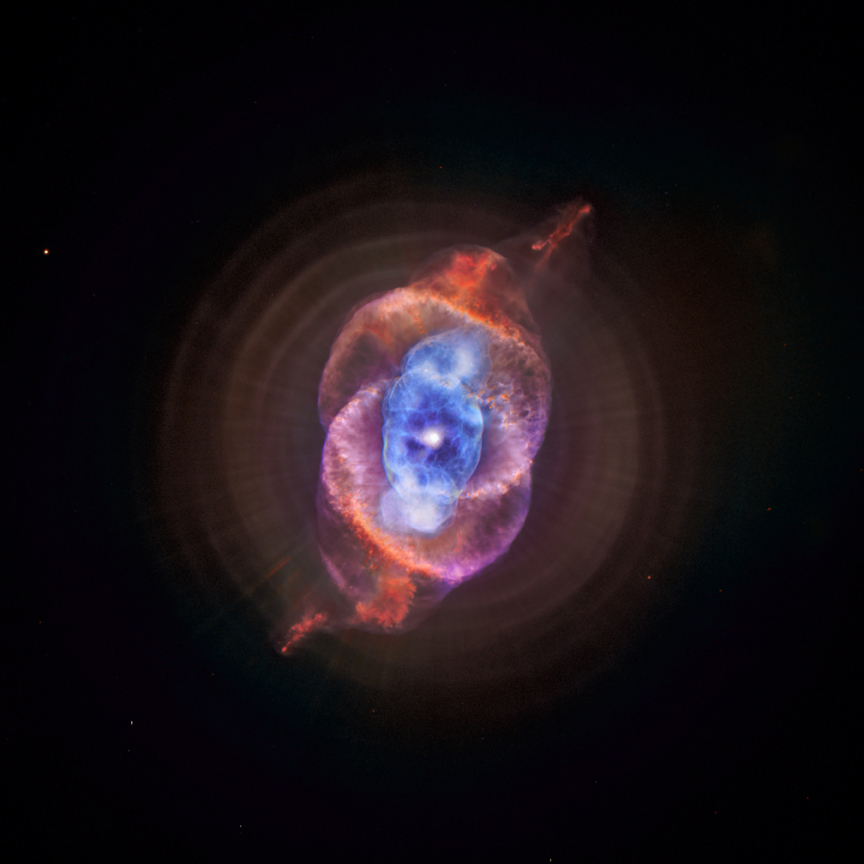
NGC 6543 — The Cat's Eye Nebula
Chandra X-Ray + Hubble composite. Discovered February 15, 1786. 3,300 light-years. First nebula ever spectroscopically analyzed (1864).
Draco is the 8th largest constellation in the sky. It coils between Ursa Major and Ursa Minor — a serpentine chain of 17 named stars wrapping around the north celestial pole. Visible year-round from any latitude above 15°N. It never sets.
The IAU recognizes 17 named stars in Draco: Aldhibah, Alrakis, Alruba, Alsafi, Altais, Athebyne, Dziban, Edasich, Eltanin, Fafnir, Funi, Giausar, Grumium, Rastaban, Taiyi, Thuban, and Tianyi.
Gamma Draconis, called Eltanin ("the serpent's head" in Arabic), is the brightest star in Draco at magnitude 2.23. An orange giant 148 light-years away — 471 times more luminous than the Sun. In 1728, James Bradley's observations of Eltanin led to the discovery of the aberration of light — the first direct evidence that Earth orbits the Sun.
Alpha Draconis, Thuban, was the North Star when the Great Pyramid was built around 2600 BC. A blue-white giant 309 light-years away. It held the celestial pole for over 4,600 years. The northern shaft of the King's Chamber was aligned to point directly at Thuban — a corridor to the imperishable stars.
Beta Draconis, Rastaban ("head of the serpent"), is a yellow supergiant 362 light-years from Earth. Together with Eltanin, it forms the dragon's gleaming eyes — two bright stars that ancient navigators used to locate the dragon's head.
| Designation | Name | Mag | Distance (ly) | Type | Significance |
|---|---|---|---|---|---|
| γ Dra | Eltanin | 2.23 | 148 | K5 III | Brightest in Draco. Discovery of stellar aberration (1728). |
| η Dra | Athebyne | 2.73 | 87 | G8 III | Double star. Angkor Wat terrestrial counterpart. |
| β Dra | Rastaban | 2.79 | 362 | G2 II | The Dragon's Eye. Binary system. |
| δ Dra | Altais | 3.07 | 97 | G9 III | Tail of the dragon. |
| ζ Dra | Aldhibah | 3.17 | 330 | B6 III | Hyena star in Arabic tradition. |
| ι Dra | Edasich | 3.29 | 101 | K2 III | Confirmed exoplanet (Hypatia). |
| α Dra | Thuban | 3.67 | 309 | A0 III | Pole Star ~2600 BC. Pyramid shaft alignment. |
| ξ Dra | Grumium | 3.75 | 112 | K2 III | Dragon's jaw. |
| λ Dra | Giausar | 3.84 | 334 | M0 III | Dragon's tail tip. |
| ψ Dra | Dziban | 4.57 | 72 | F5 IV-V | Binary star system. |
| o Dra | Taiyi | 4.66 | 322 | K2 III | Chinese: "The Great One." |
| σ Dra | Alsafi | 4.68 | 18.8 | G9 V | One of nearest Sun-like stars. |
| 42 Dra | Fafnir | 4.82 | 319 | K1.5 III | Norse dragon. Exoplanet Orbitar. |
| 7 Dra | Tianyi | 5.43 | 311 | K0 III | Chinese: "The Celestial One." |
| HIP 75458 | Funi | 5.47 | 300 | Giant | Chinese: "Northern Dipper." |
| μ Dra | Alrakis | 5.55 | 85 | F7 V | "The Dancer" — binary pair. |
| HD 149026 | Alruba | 8.15 | 257 | G0 IV | Hot Saturn exoplanet host. |
The dragon's coils contain some of the most photographed objects in astronomy. All images below rendered in grayscale — raw observatory aesthetic.
Discovered by William Herschel on February 15, 1786. Eleven or more concentric shells of gas surround the dying central star, each ejected at ~1,500-year intervals over 15,000 years. Gas expanding at 4 million mph.
In 1864, William Huggins spectroscopically analyzed the Cat's Eye and proved it was a gaseous nebula, not a star cluster — the first such proof for any planetary nebula. One observation of one object in Draco rewrote the textbooks.
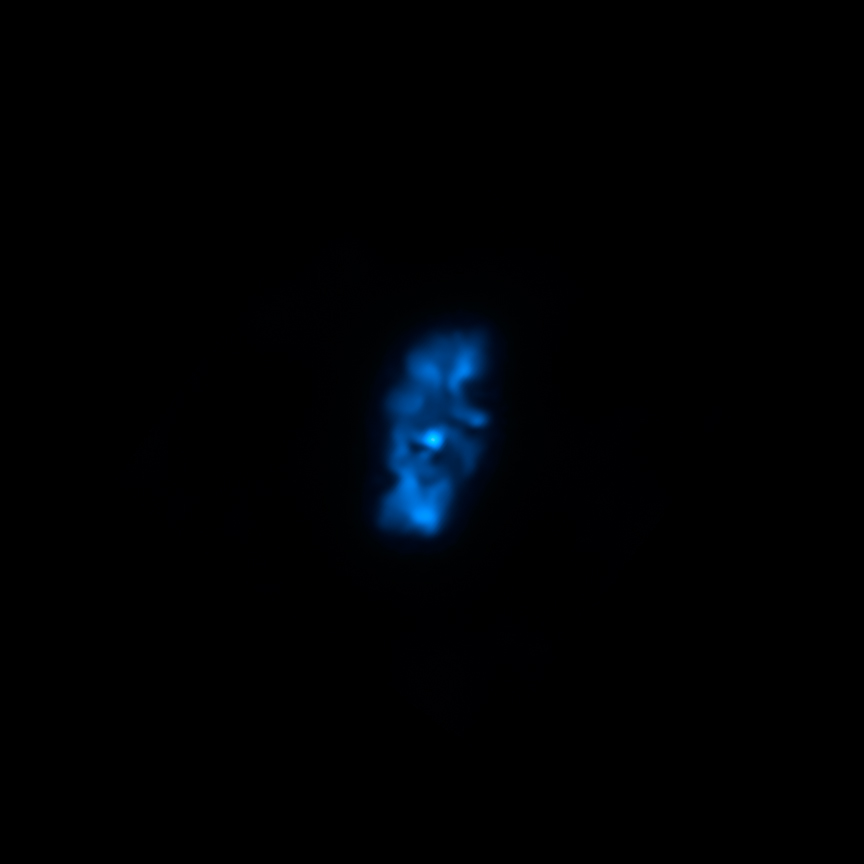
Chandra's X-ray observations (2001) revealed multi-million-degree gas surrounding the central star. The chemical abundances in the hot zone match the stellar wind, not the outer nebula — two chemically distinct layers.
420 million light-years. ~100 million years ago, a smaller galaxy punched through the disk, flung behind by gravity, ripping out a tidal tail 280,000 light-years long studded with blue star clusters. First object photographed by Hubble's ACS in 2002.
Edge-on lenticular, 50 million light-years. Razor-sharp dust lane across the nucleus. Only Messier object in Draco. Chandra revealed hot gas in the core.
Three galaxies framed in one field, 100–140 million light-years. Edge-on spiral, smooth elliptical with LINER core, and face-on Seyfert spiral. No evidence they're gravitationally bound — a chance alignment.
Discovered 1954 by Albert George Wilson on Palomar plates. Spheroidal satellite of the Milky Way, 260,000 light-years. One of the most dark-matter-dominated objects in the universe — visible stars are dust on an invisible mountain.
Galaxy cluster 2 billion light-years in Draco. So massive it bends spacetime. Light from galaxies 5-10x farther warped into arcs. Seven multiply-imaged systems. The arcs are not structure — they are the deep universe, magnified by gravity.
A dwarf spiral on the boundary of the Local Void — 150 million light-years of empty space. One of the loneliest galaxies known, perched at the edge of nothingness.
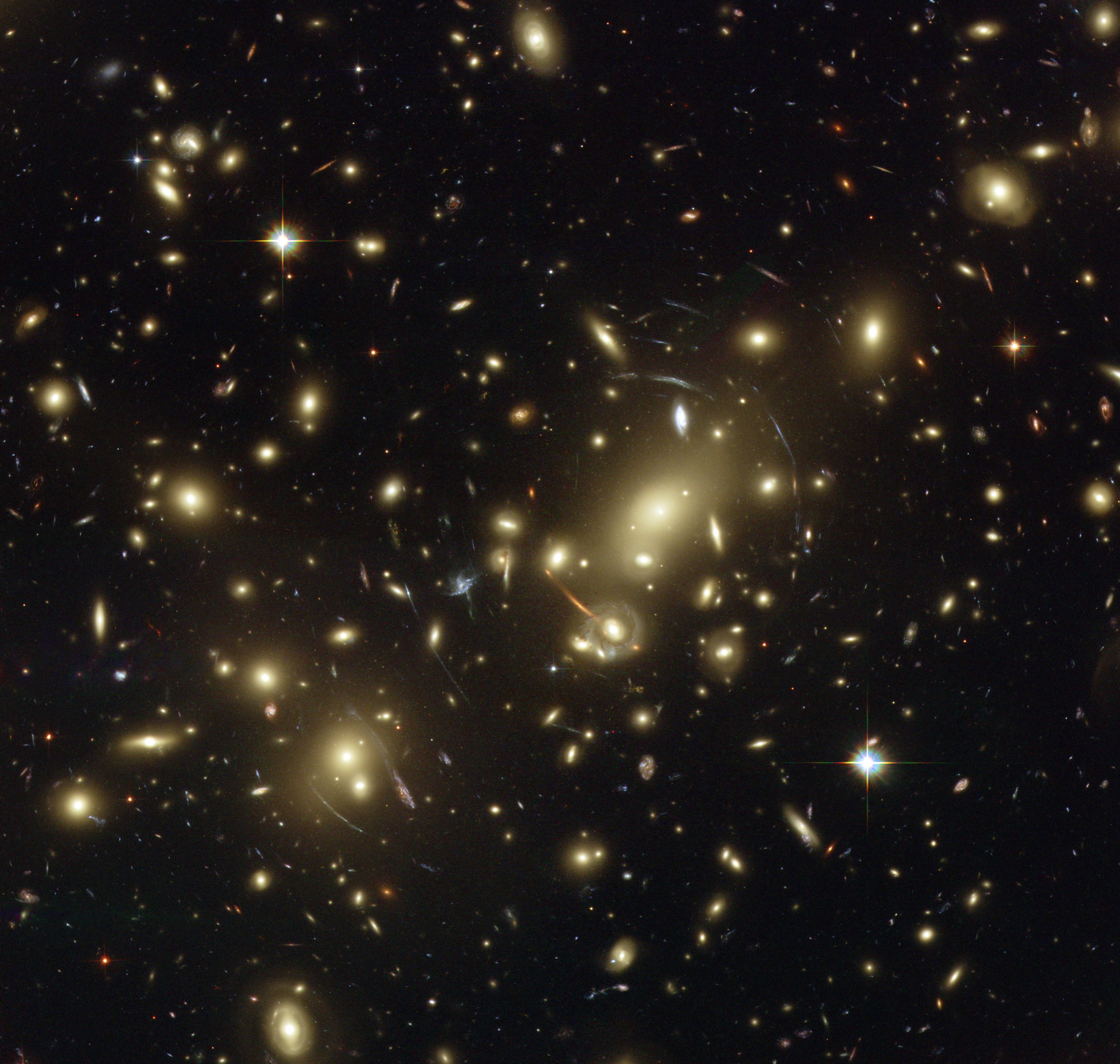
2,000 years of watching the dragon.

The dragon is a recurring architectural, religious, and navigational stamp across civilizations that had no contact with each other. Same stars. Same alignments. Same serpent.
~2560 BC. The northern shaft of the King's Chamber angled at ~32 degrees aimed directly at Thuban, the Pole Star. The Egyptians called circumpolar stars the "Imperishable Ones." Thuban was their anchor. The shaft was a literal corridor between mortality and eternity.
Due to axial precession (26,000-year wobble), Thuban drifted. In 2600 BC it was within 0.1 degrees of true north. In 20,346 AD it will be the Pole Star again.
The Angkor temple complex mirrors Draco as it appeared at the spring equinox in 10,500 BC. West Mebon, East Mebon, and Ta Som match Deneb, Thuban, and Kochab relative to the ecliptic north pole. Ta Prohm = Eta Draconis.
2023 research found the layout also aligns with Draco in 1150 CE (actual construction period) — encoding the sky at both epochs, as if marking precession in stone.
The three Giza pyramids vs. Orion's belt stars. The Nile mirroring the Milky Way. But Draco's alignment is different — it's functional, not symbolic. The shaft points at a specific star at a specific epoch. A dated instrument.
One of the few constellations recognized by nearly every major civilization. Different names. Same patch of sky.
Hundred-headed dragon guarding the golden apples of the Hesperides. Killed by Heracles. Placed among stars by Hera.
Azure Dragon of the East. One of Four Celestial Guardians. Controls rain. Stars form part of the Purple Forbidden Enclosure — the Emperor's celestial palace.
Primordial goddess of chaos. Marduk slew her and split her body — one half earth, one sky. Draco was her celestial form.
Cosmic alligator. A form of Vishnu, with the pole star at the tail, around which all stars revolve.
The dragon gnawing the roots of Yggdrasil. Serpent below, eagle above. Draco circles the pole like Nidhoggr circles the roots.
Man-eating serpent. Root of dragon-words across Central Asia. Embodiment of drought and darkness.
Circumpolar stars that never set. Thuban was axis mundi. Associated with Taweret — guardian, not monster.
The great serpent. Gave us Eltanin, Rastaban, Aldhibah. The naming layer we still use today.
The dragon crawled from the sky into heraldry, secret orders, and the names of men who shaped Europe.
Founded by Sigismund of Luxembourg. Symbol: ouroboros + red cross of Saint George. A monarchical chivalric order to defend Christianity against the Ottomans. Members wore the dragon and swore loyalty to the crown.
Vlad II inducted 1431, took name "Dracul" (Romanian: "the dragon," from Latin draco). Minted coins with the emblem. His son Vlad III — Vlad the Impaler — became "Dracula" ("son of the dragon"). Stoker borrowed the name in 1897. The original Dracula was not a vampire. He was the son of a man who wore a dragon on his chest because a king told him to.
Wales (Y Ddraig Goch), City of London (two silver dragons), Habsburg arms, Chinese Emperor (five-clawed dragon). In each case: supreme authority, not evil.
Coiled around the celestial pole = knowledge coiled around truth. The ouroboros predates the Order by millennia — Egyptian, Greek, Norse — symbol of eternal return.
D-R-A-C-O. Latin for dragon. The letters themselves are a codex.
DRACO → DRACUL → DRACULA. Latin root, Romanian definite article -ul, patronymic -a. Five letters became the most famous horror name through two suffixes and 500 years.
Draco of Athens (~650 BC) — first legislator to codify laws. Death for almost every offense. Gave us "draconian." A lawmaker named after the dragon who wrote laws as merciless as a serpent's bite.
Raw and grayscale imagery from NASA's Chandra X-Ray Observatory and partner telescopes. Organized by decade — the evolution of how we photograph the cosmos. All images rendered in B&W observatory aesthetic.


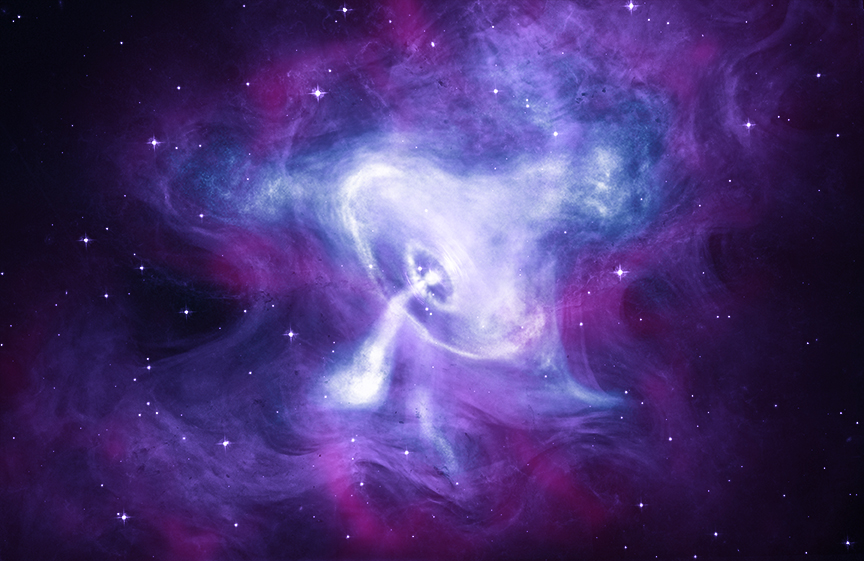
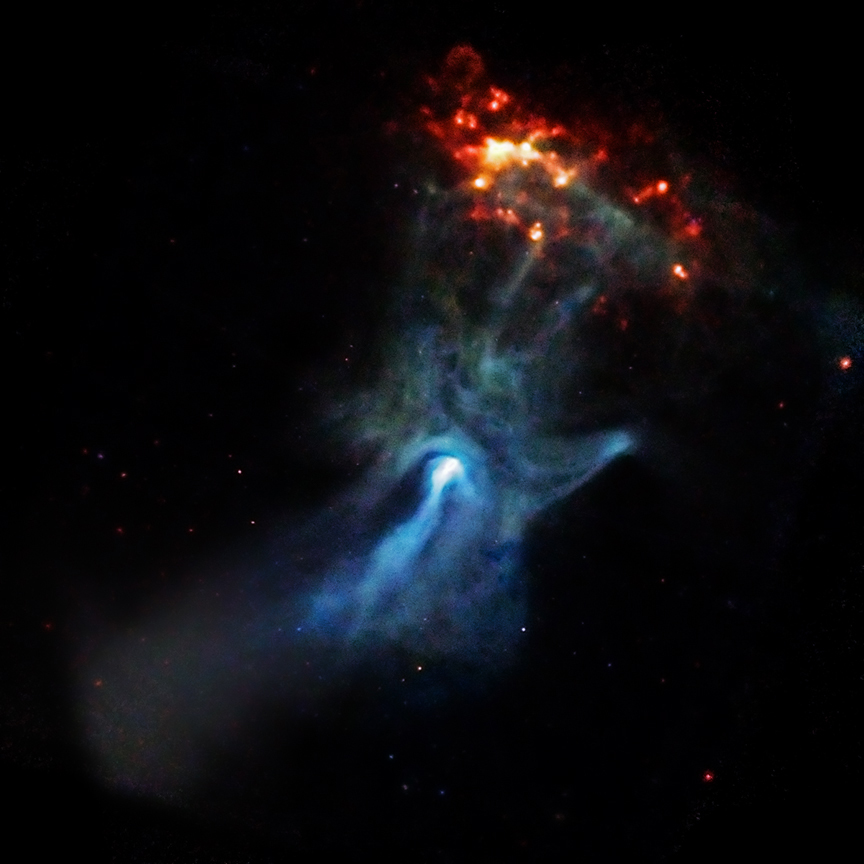
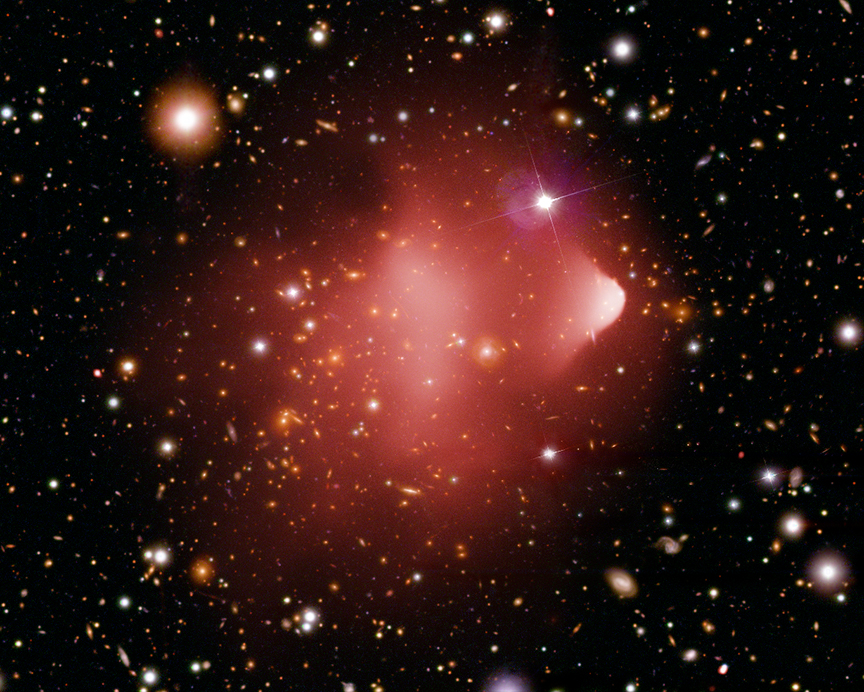
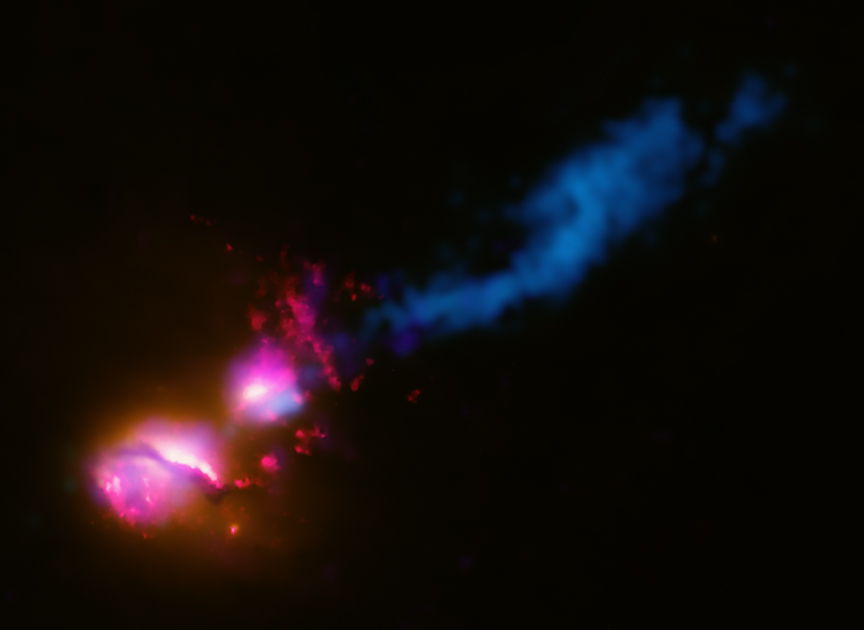
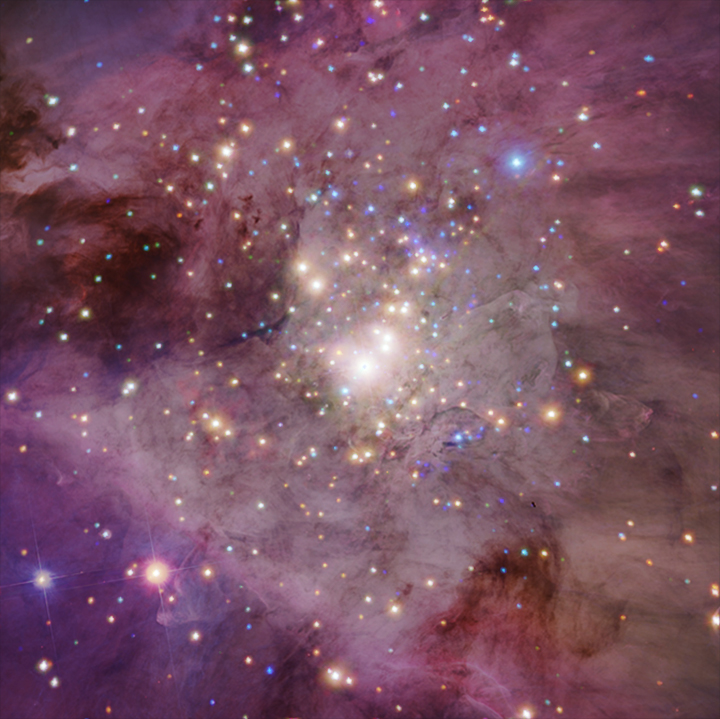

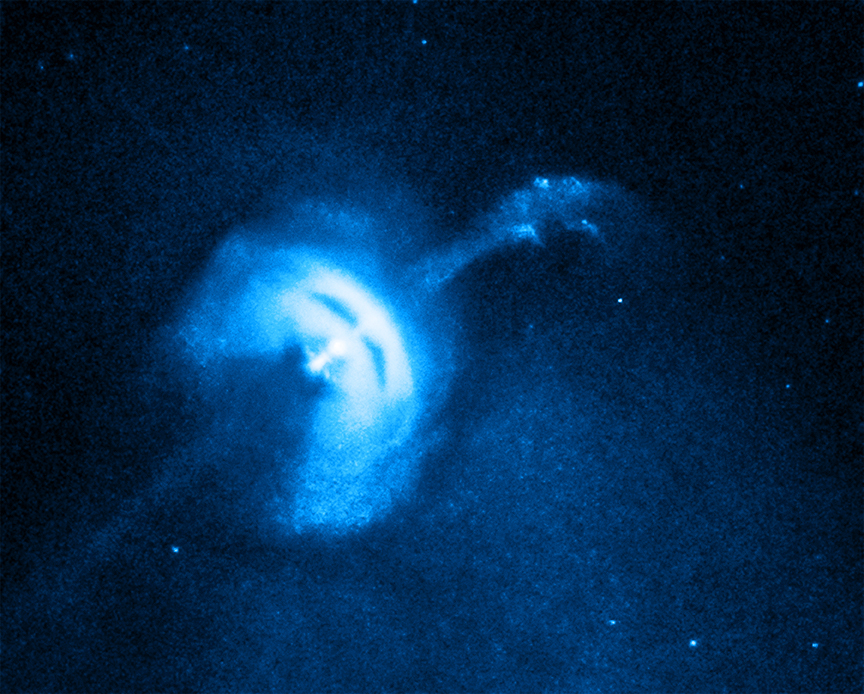
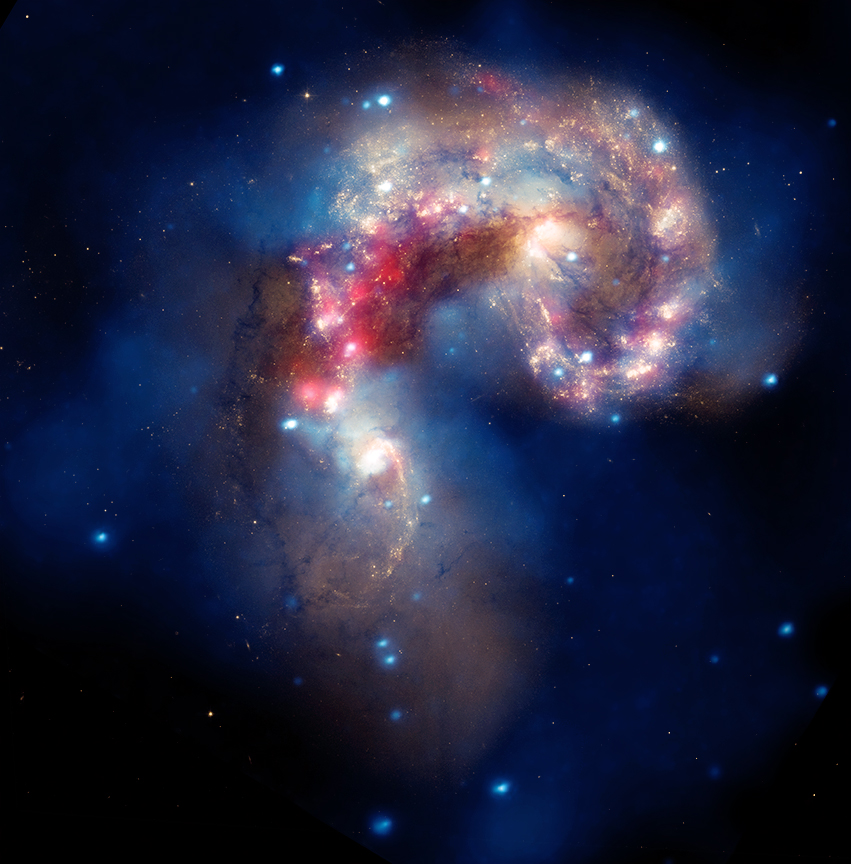
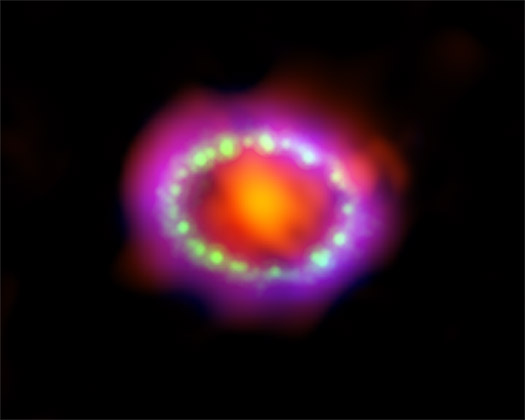
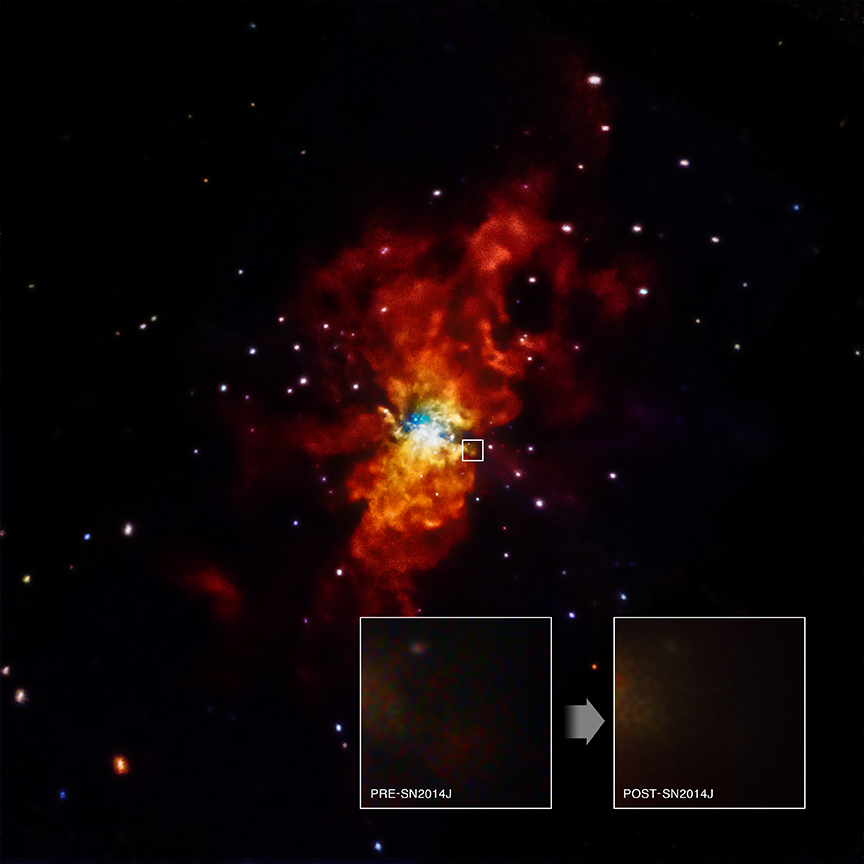
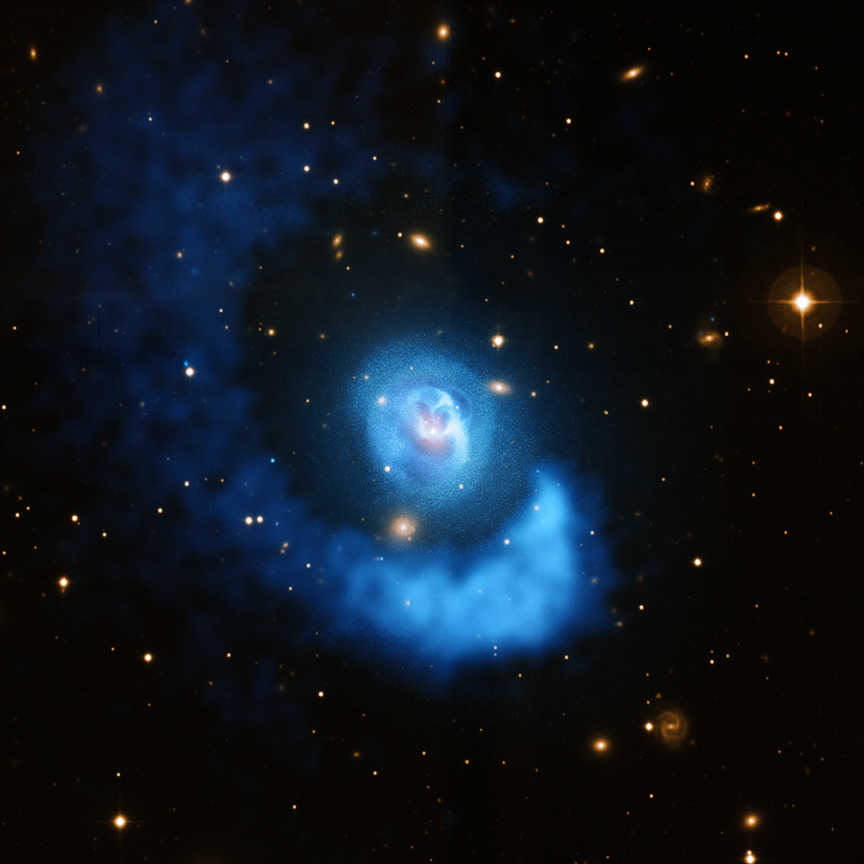
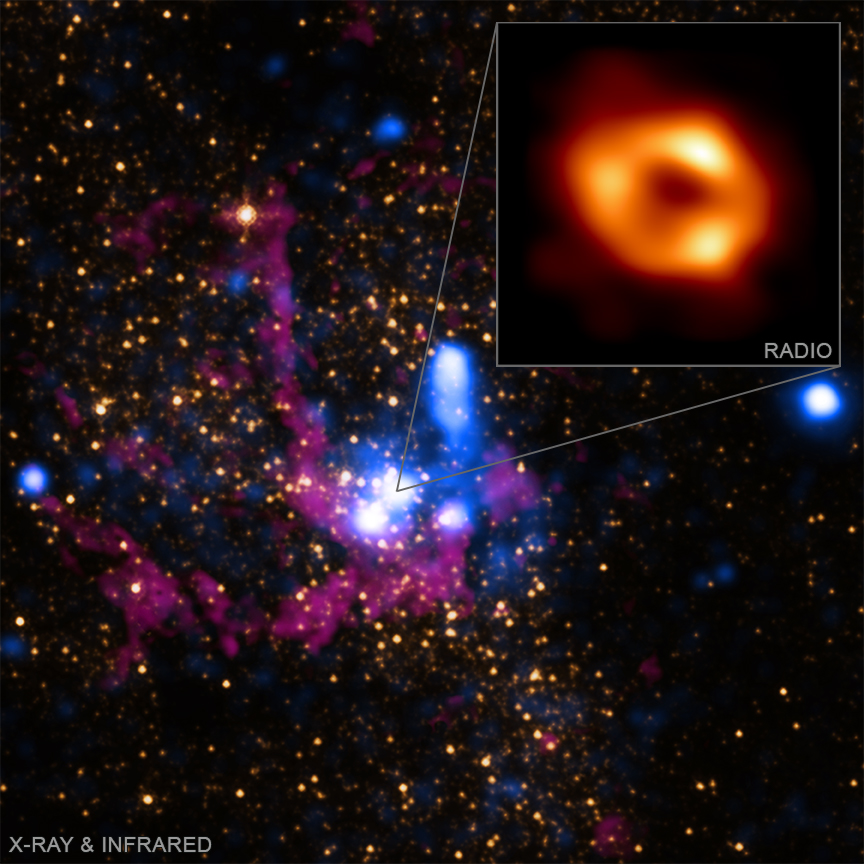

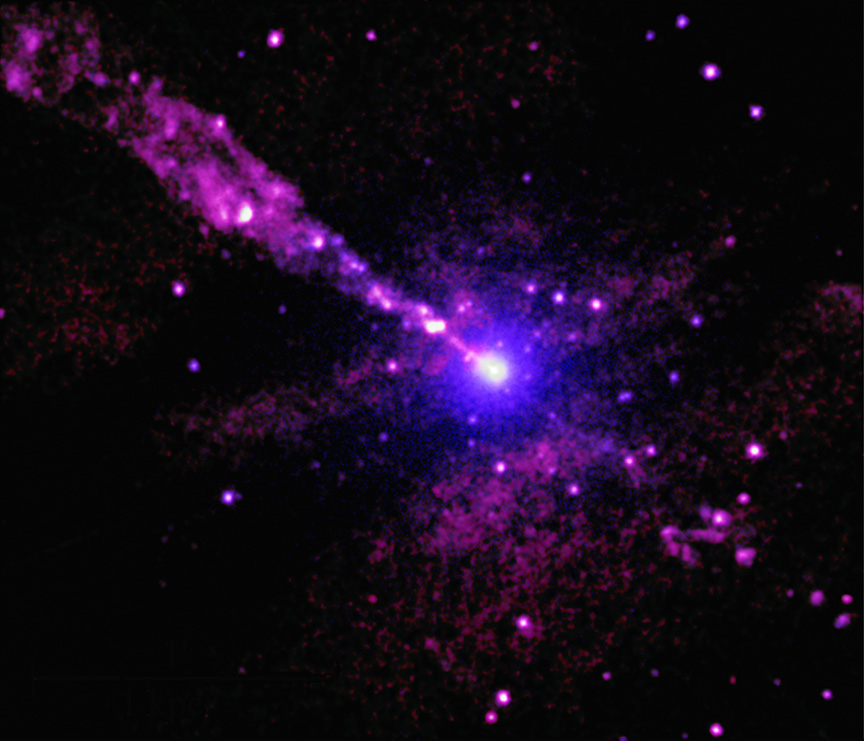
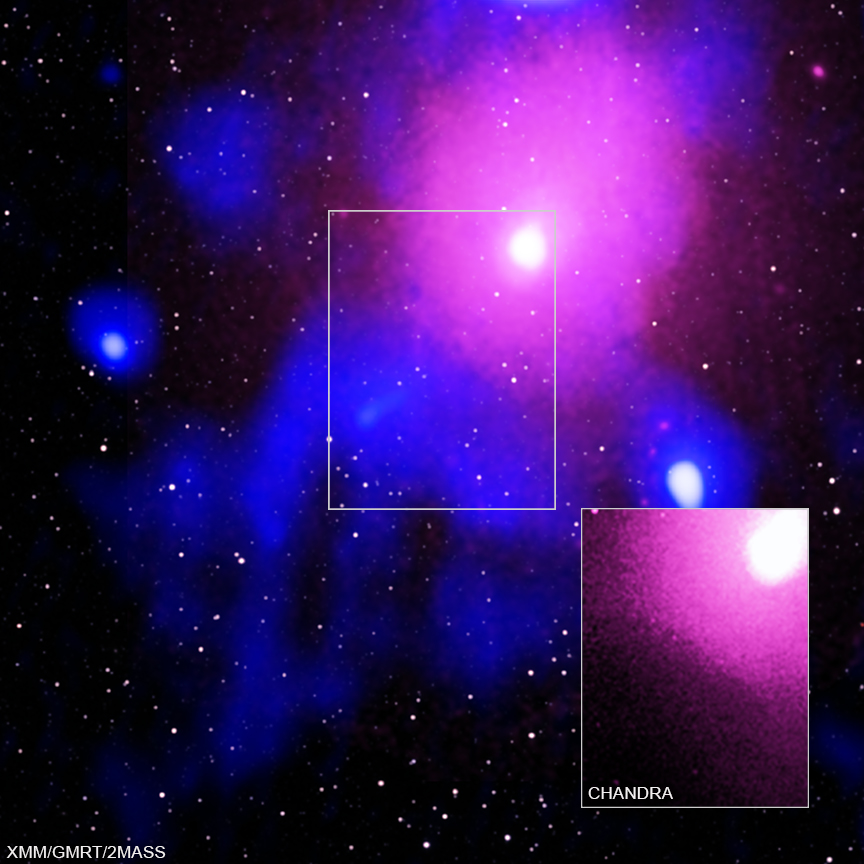
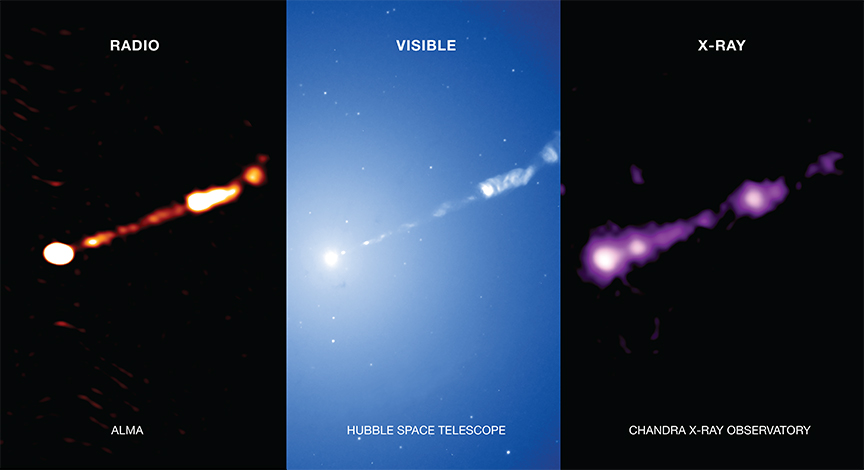
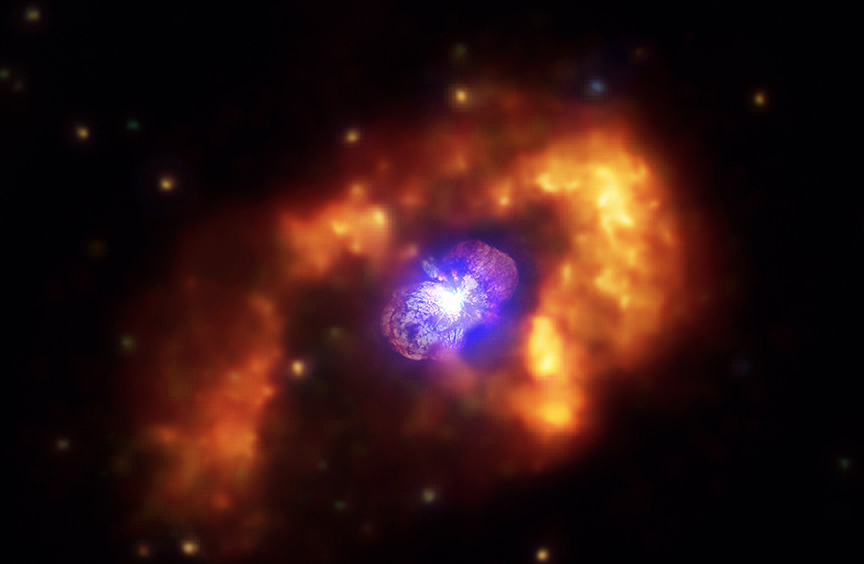
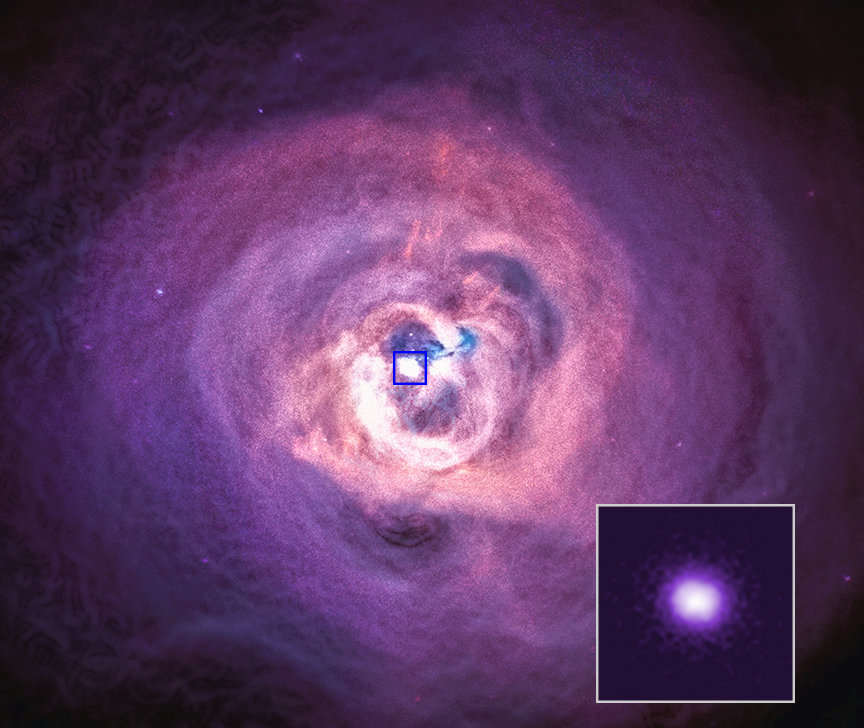
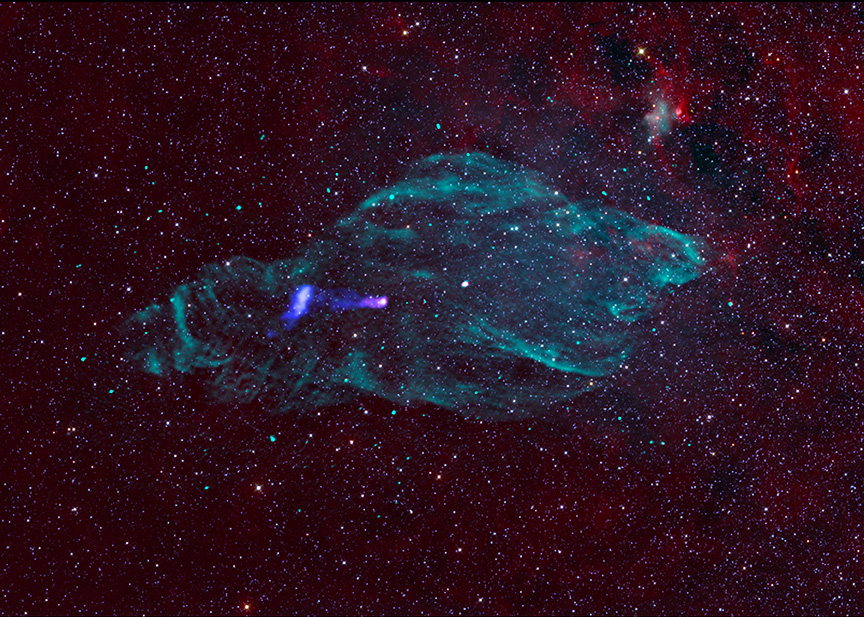
The evolution of seeing the dragon — from copper engravings to photographic emulsion to CCD detectors to space telescopes. Each technology revealed a new layer.
54 constellation engravings drawn as mirror images. Draco: muscular winged serpent, clawed feet, coiled between the Bears. Most reproduced astronomical illustration in history. Copper plate, black ink.
"Very bright" with a "planetary" appearance. He could not have known it was a dying star's atmosphere. The term "planetary nebula" stuck — nothing to do with planets.
Instead of a continuous rainbow: bright emission lines. Hot gas, not stars. One observation of one object in Draco rewrote the textbooks.
Palomar Sky Survey. A faint smudge in Draco that no one had noticed. The Draco Dwarf Galaxy. More dark matter than visible matter by a factor of hundreds.
Taken September 18, 1994, released 1995. Three-wavelength composite (H-alpha, neutral oxygen, ionized nitrogen). Revealed 11+ concentric shells for the first time. The image that made the Cat's Eye famous worldwide.
The invisible made visible. Million-degree gas, X-ray winds, chemically distinct layers — all from one dying star in Draco. No optical telescope could have seen this.
Circumpolar. Does not rise or set. Circles. Every night, all night, all year.
From latitude 35°N+, every single night. The head — Eltanin, Rastaban, Grumium, Kuma — never dips. The body snakes between the Big Dipper and Polaris. The tail reaches almost to the Little Dipper's bowl.
A star that rises and sets is seasonal. A star that never sets is eternal. When the Egyptians aimed a shaft at Thuban, they were aiming at a star that was always there.
In 20,346 AD, Thuban reclaims the pole. The dragon takes back the axis. It has done this before. The cycle: 25,772 years. The pyramid builders knew. They encoded it in stone, aimed a shaft, and waited.
"The Imperishable Ones do not set. They do not die. The King does not die. He departs living."
— Pyramid Texts, ~2400 BC