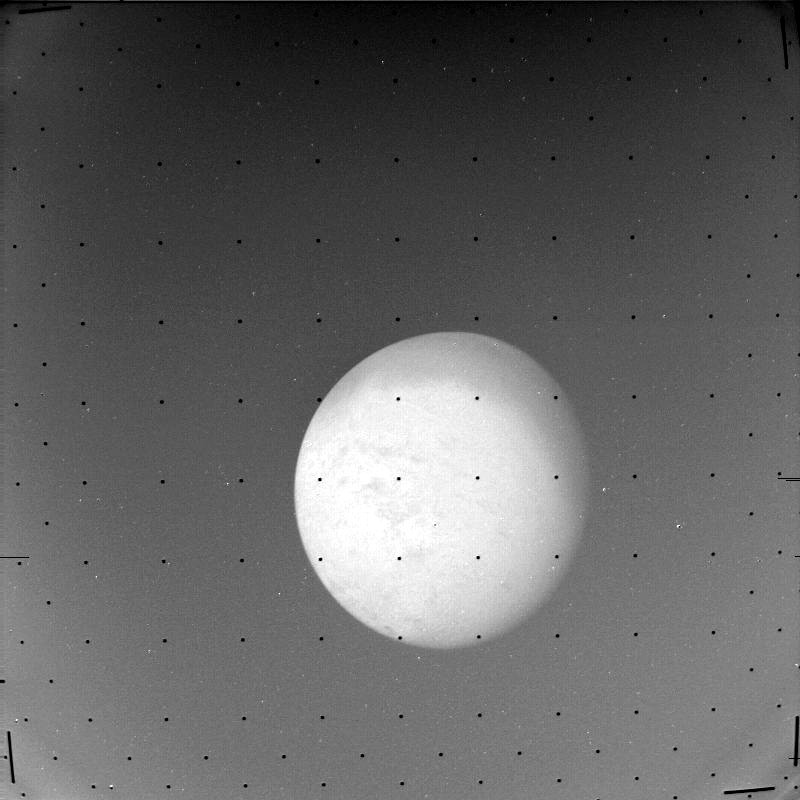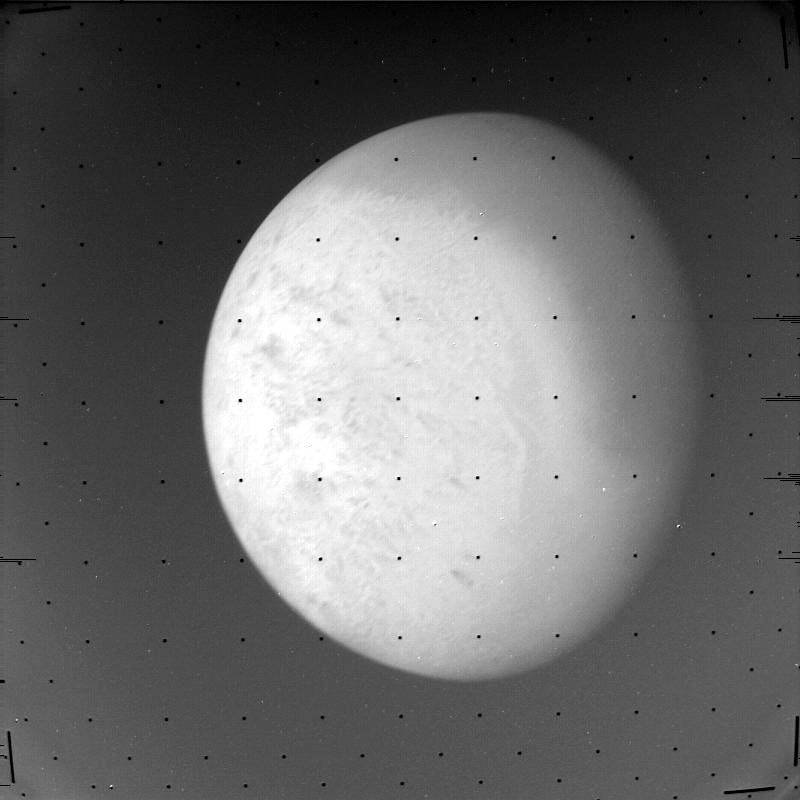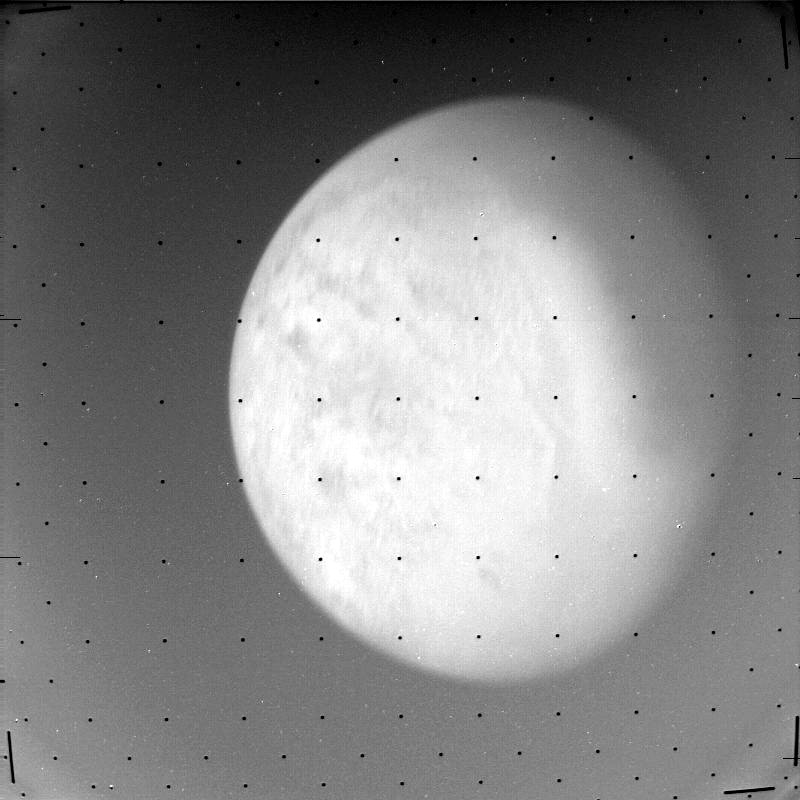
The Grand Tour
Two spacecraft. Four giant planets. Forty-eight moons. Every frame below is raw Voyager data, pulled from the PDS archive and contrast-restored — nothing painted, nothing added.
Launched sixteen days apart in 1977, the two Voyager probes executed the only Grand Tour the geometry of the outer Solar System permits — an alignment that recurs once every 176 years. Between them they returned the first close images of Jupiter, Saturn, Uranus and Neptune and their moons. Both are now in interstellar space.
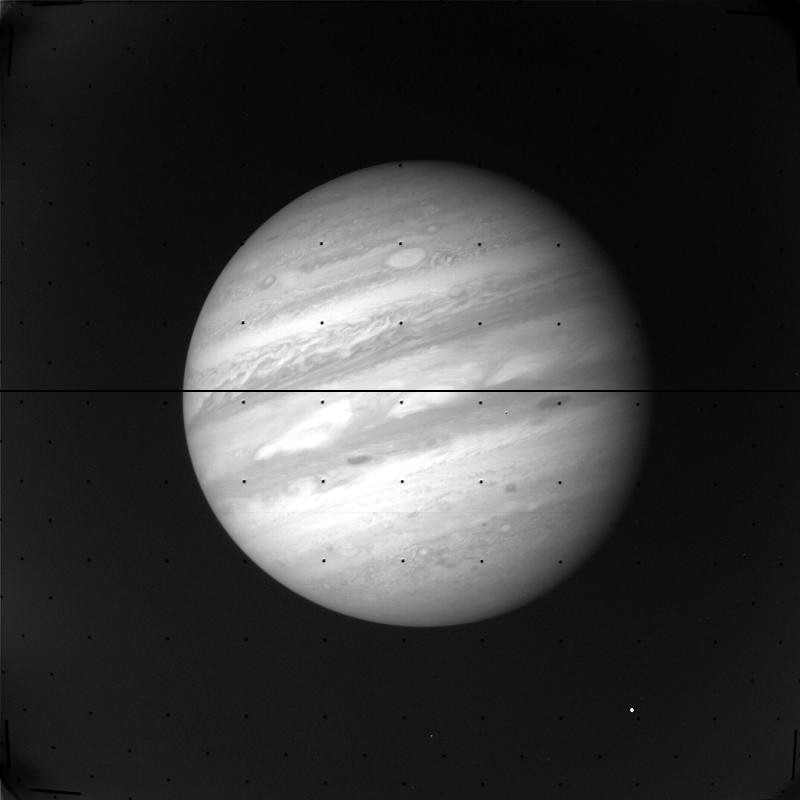
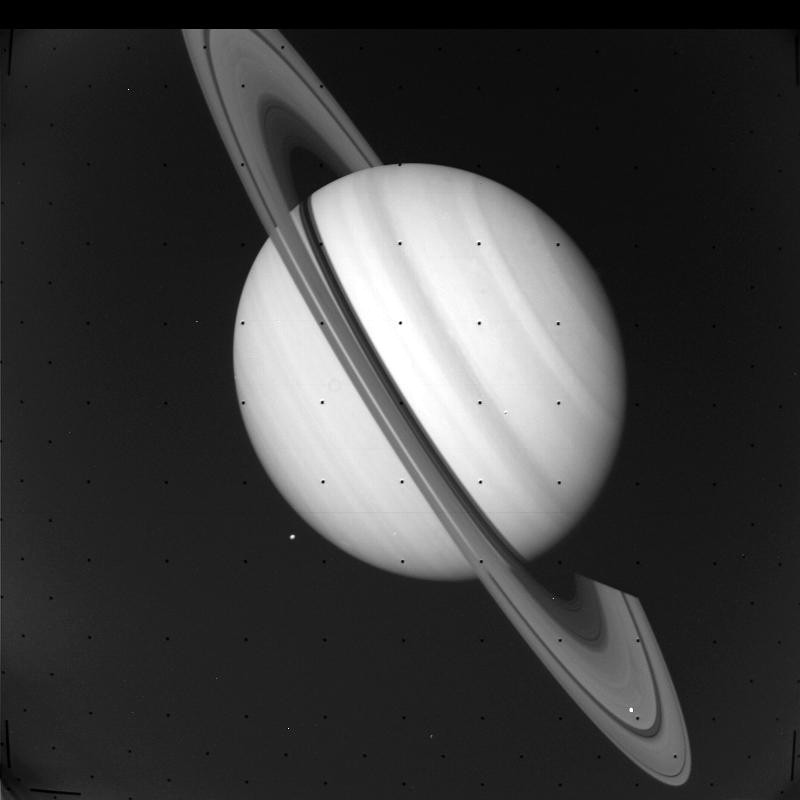
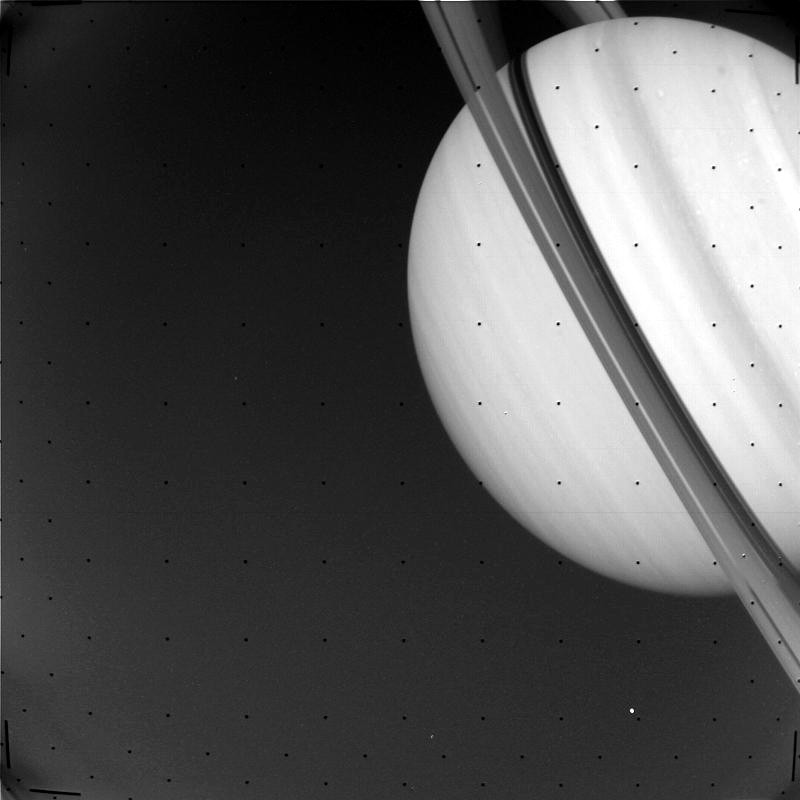
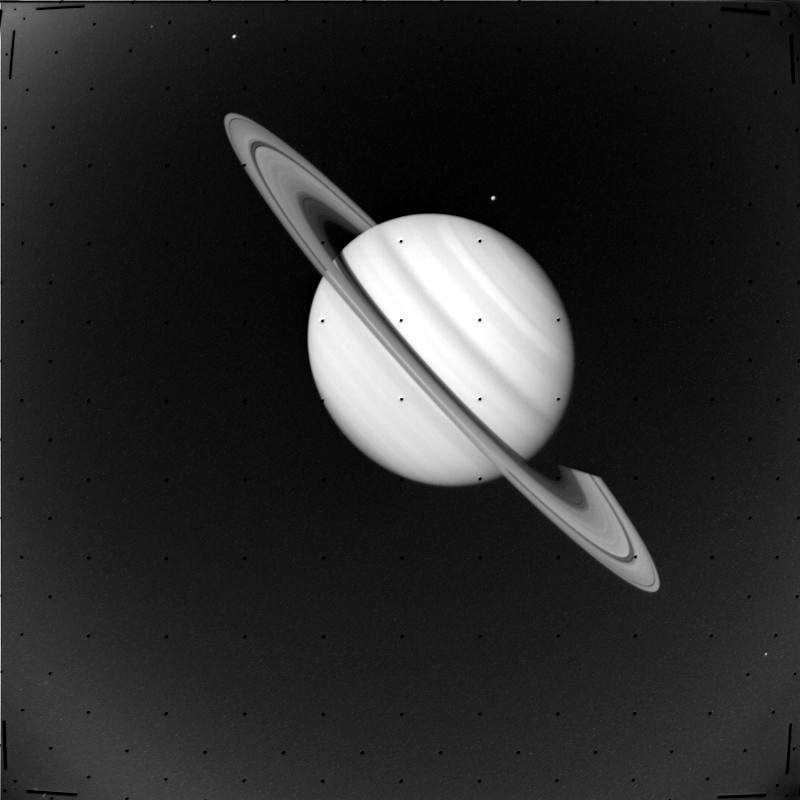
Every image on this page is a real Voyager ISS frame, identified by its OPUS observation ID from the PDS Ring-Moon Systems Node. The raw frames are low-contrast 8-bit calibration products; each has been contrast-restored so the subject reads clearly — no colour, no compositing, no artistic reconstruction. Click any frame to enlarge.
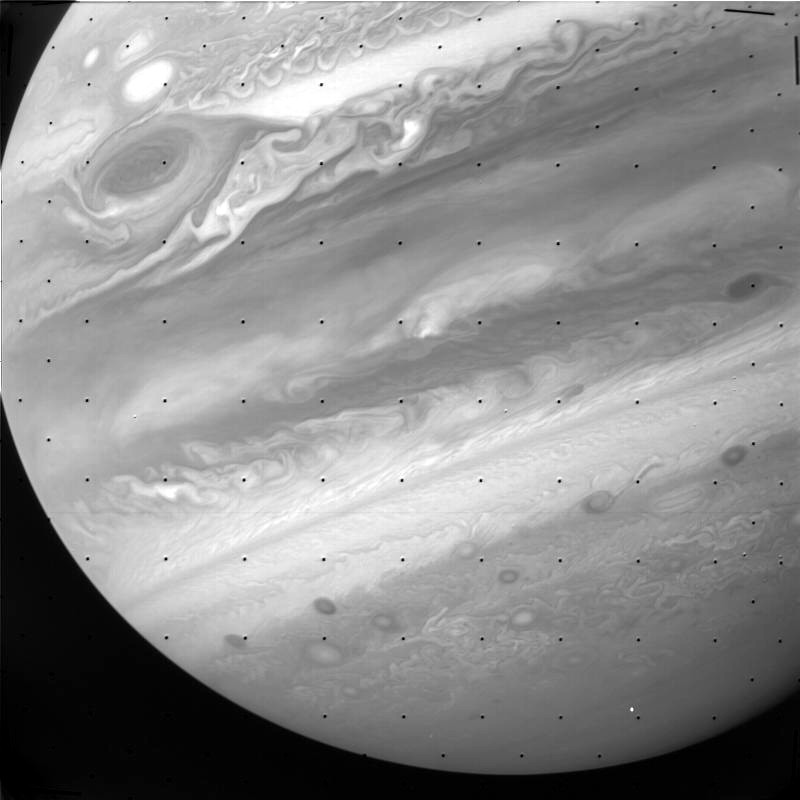
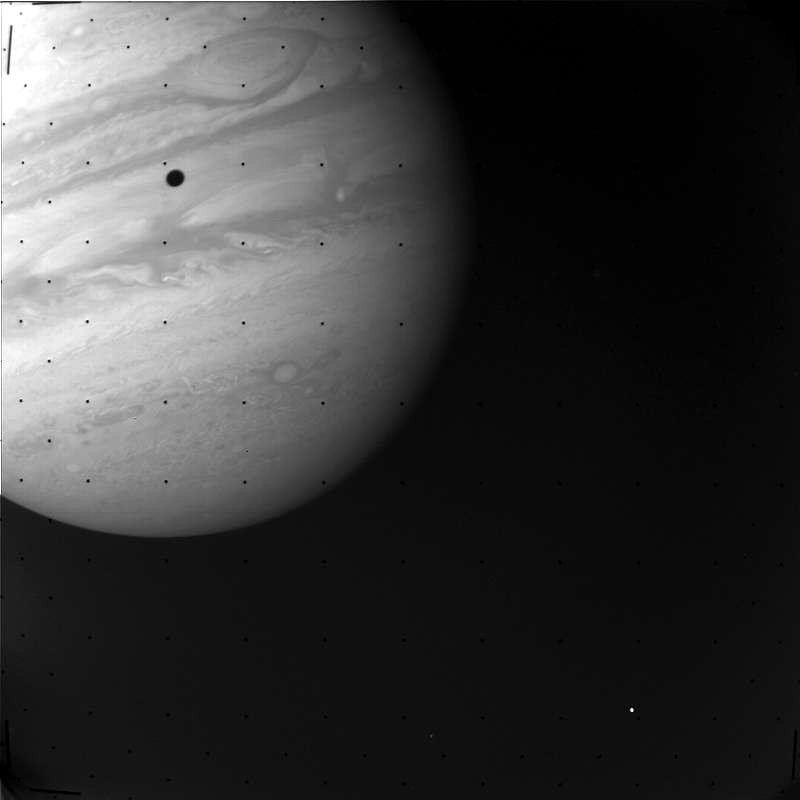
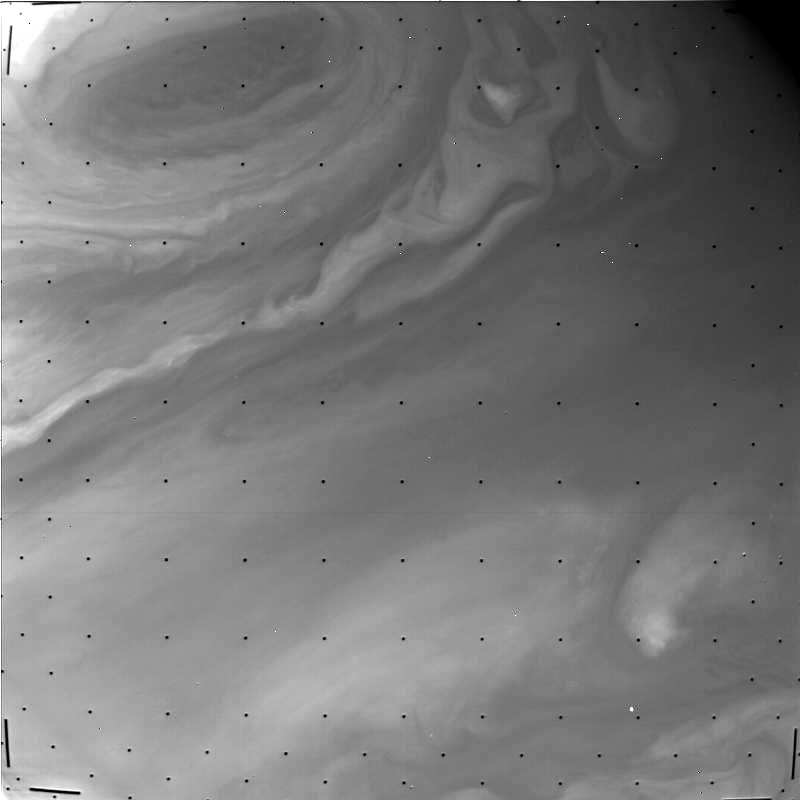
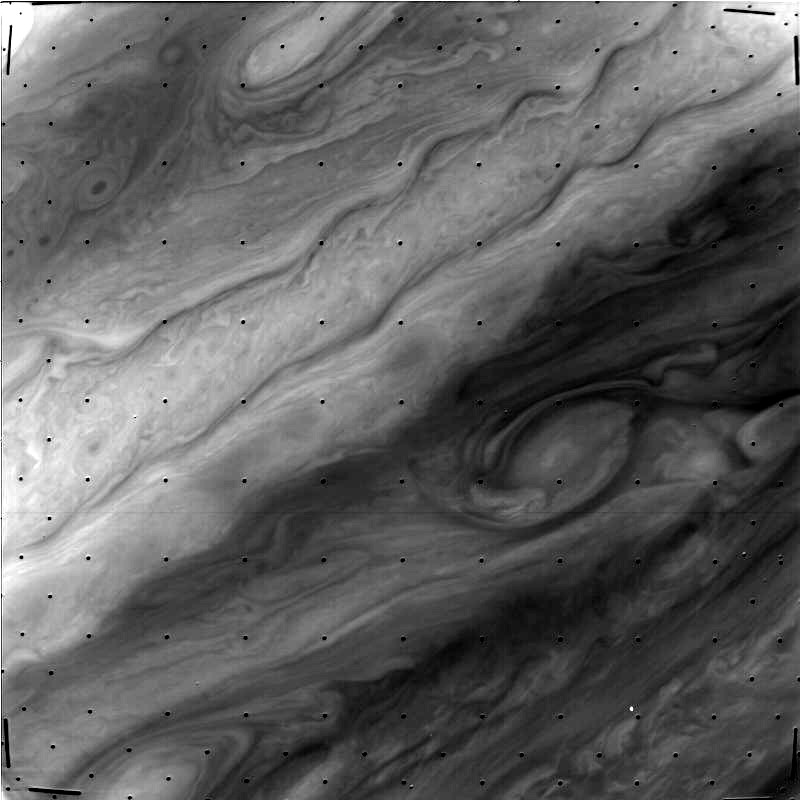
Jupiter — the Great Red Spot, cloud bands, and Galilean moon transits.
5 frames · Voyager 1 · contrast-restored from raw PDS calibration data.
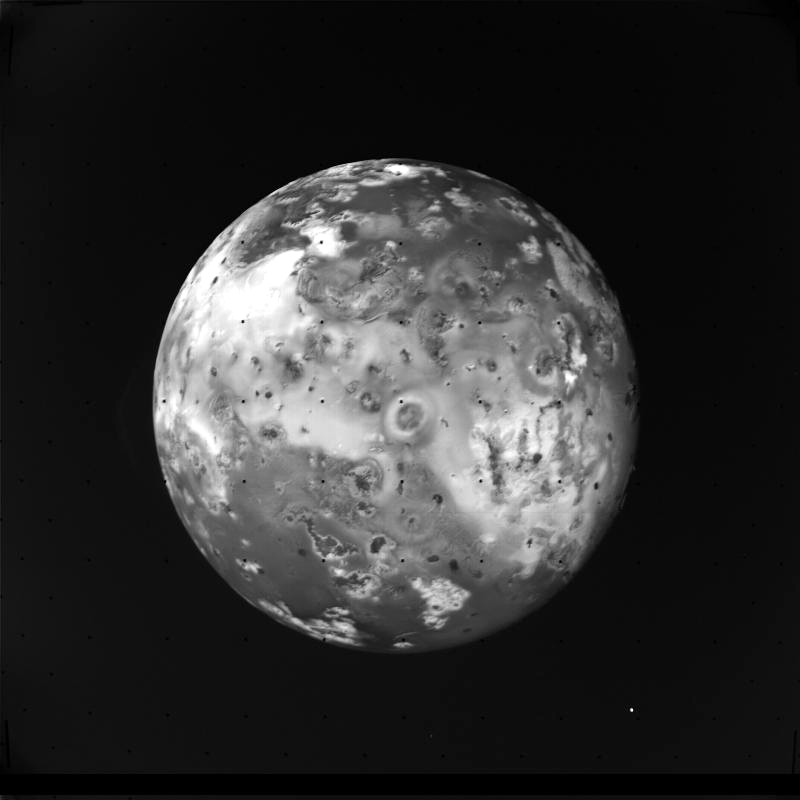
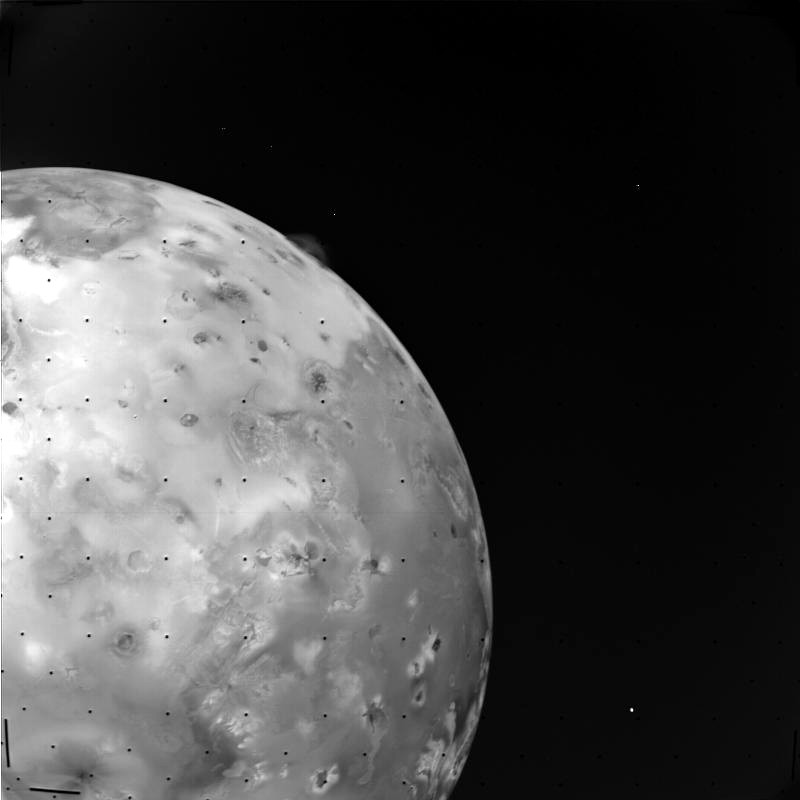
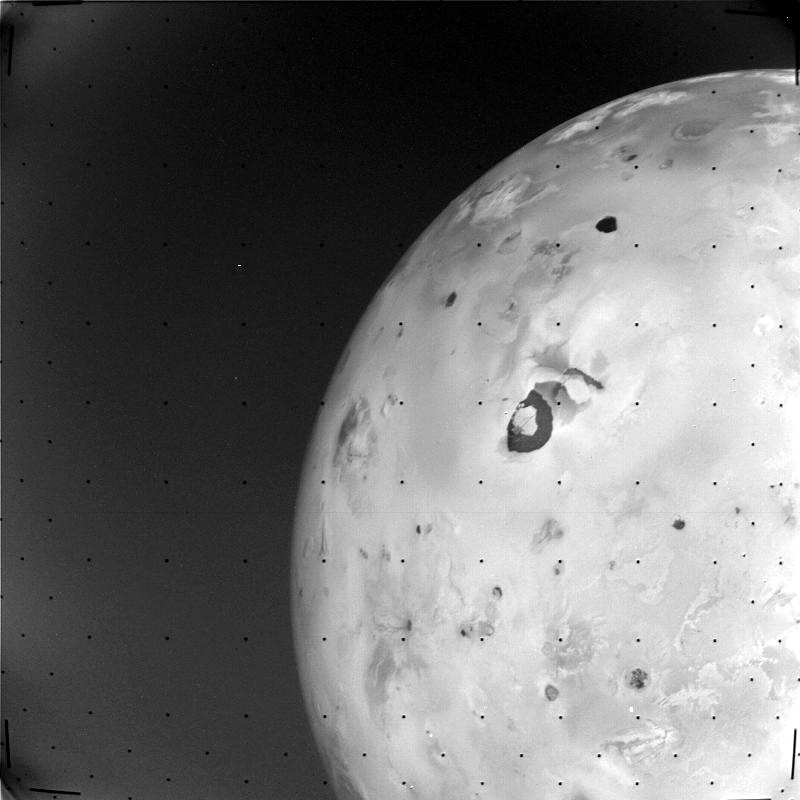
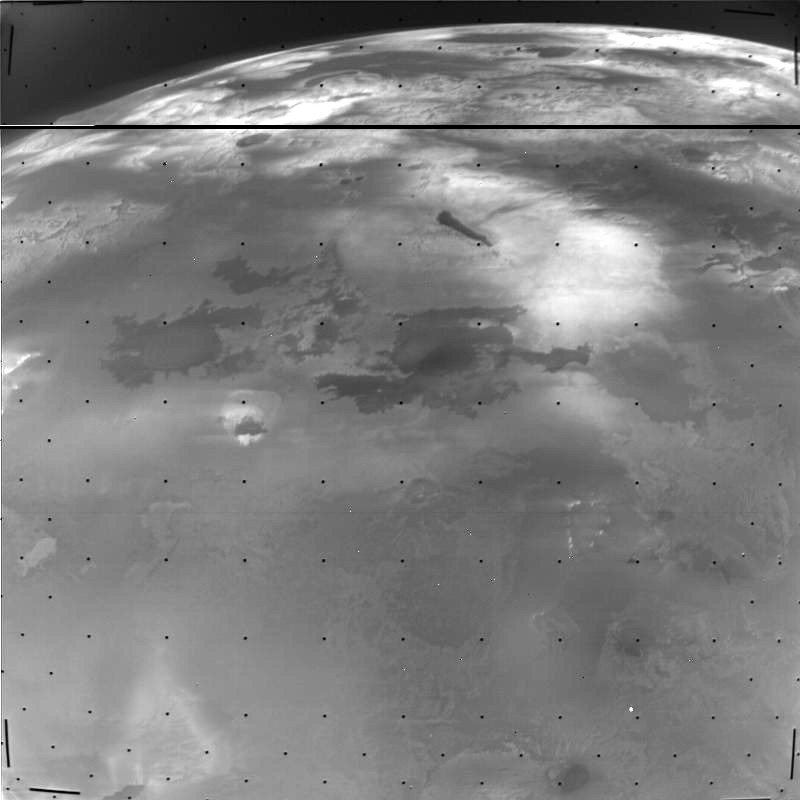
Io — active volcanism and sulphur-coated plains, the most geologically alive body in the system.
4 frames · Voyager 1 · contrast-restored from raw PDS calibration data.
Europa — the fractured ice shell, its lineae hinting at a subsurface ocean.
3 frames · Voyager 1 & Voyager 2 · contrast-restored from raw PDS calibration data.
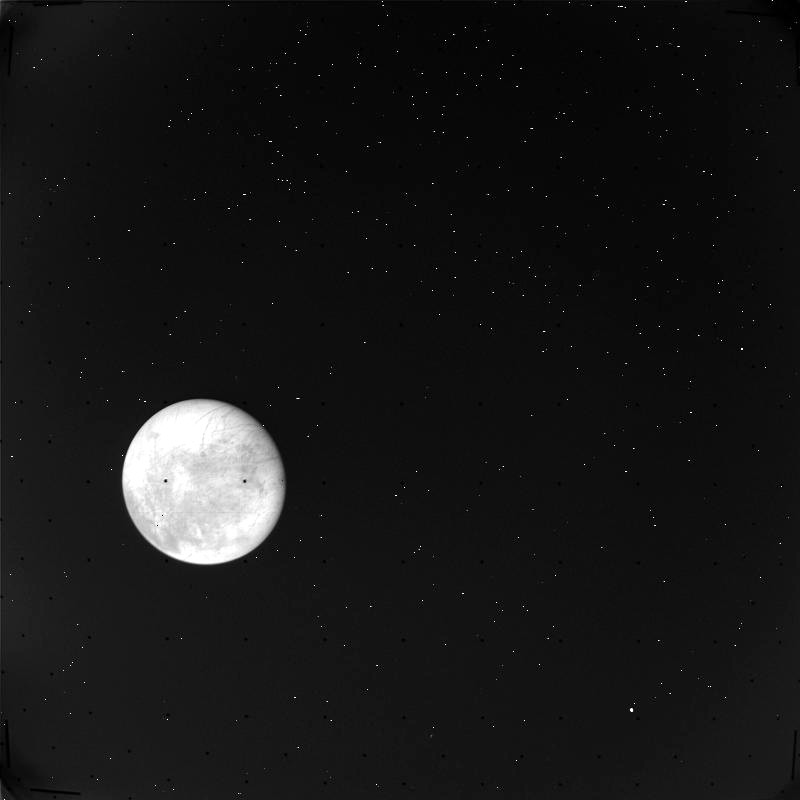
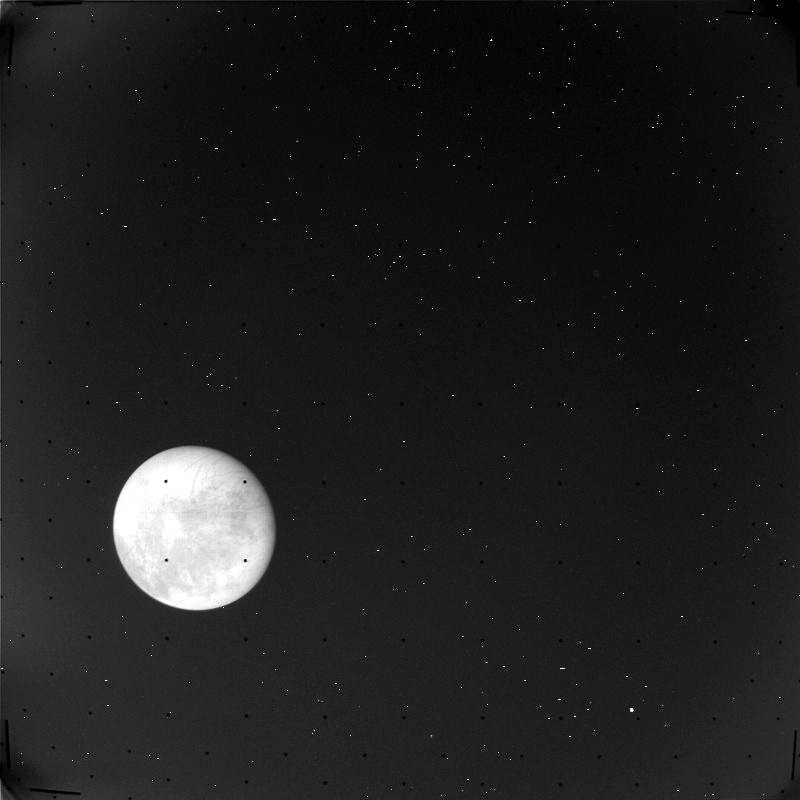
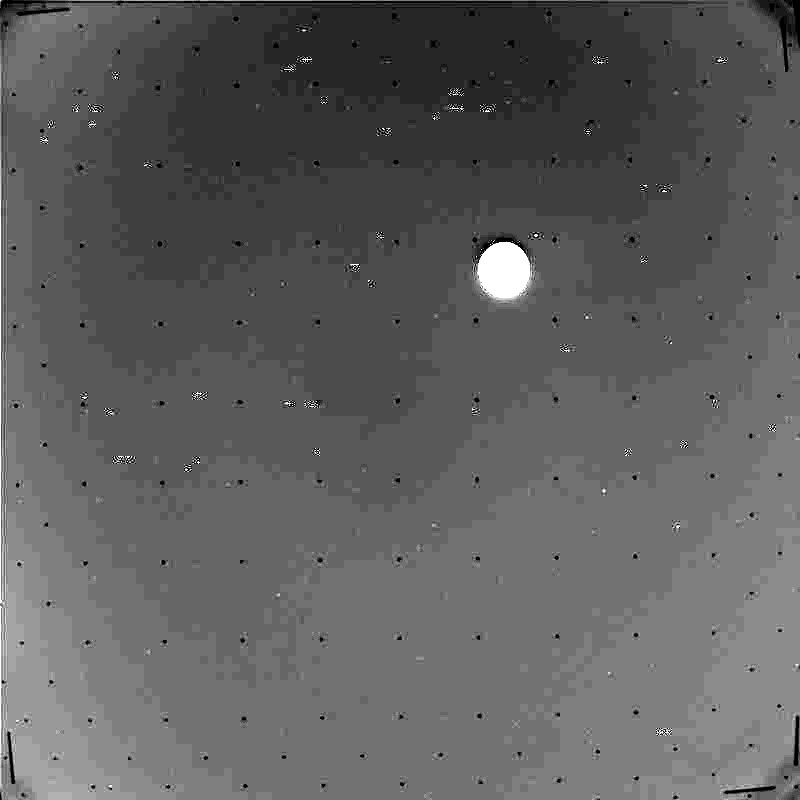
Ganymede — grooved terrain and impact craters on the largest moon in the Solar System.
3 frames · Voyager 1 · contrast-restored from raw PDS calibration data.
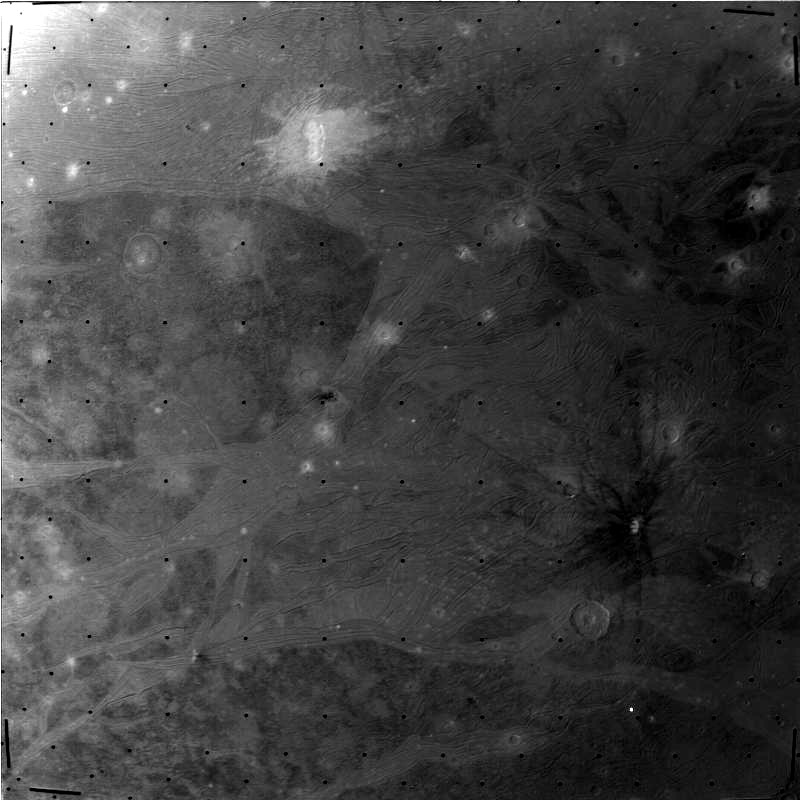
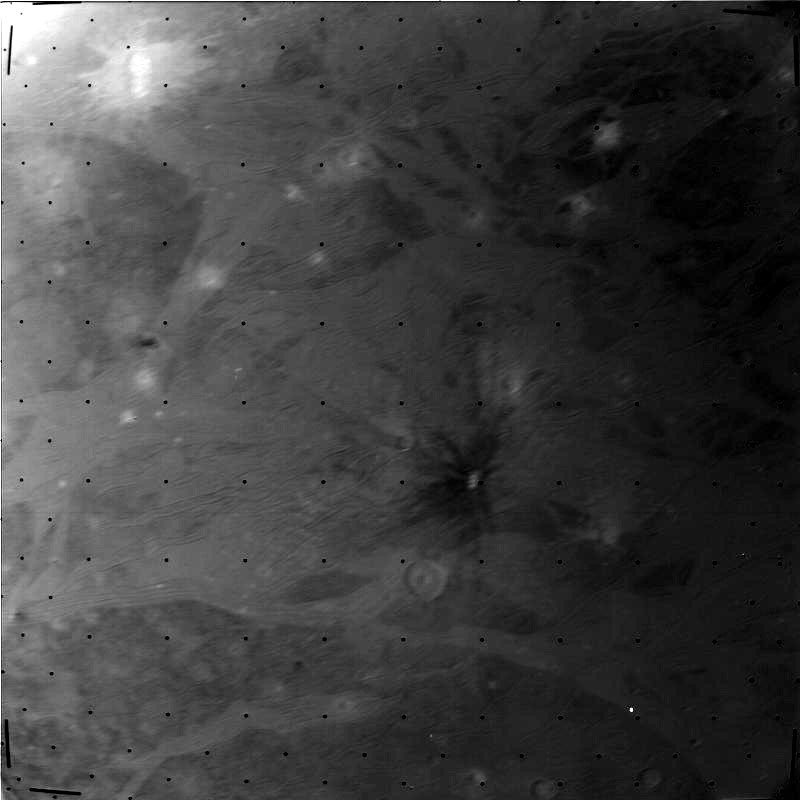
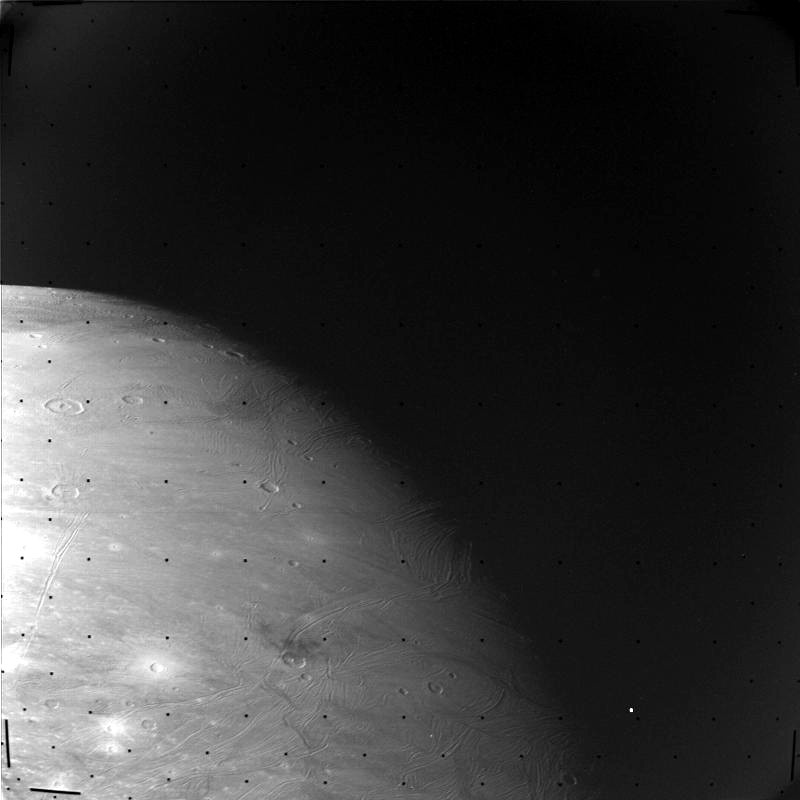
Callisto — the most heavily cratered surface known, saturated with impacts.
3 frames · Voyager 1 · contrast-restored from raw PDS calibration data.
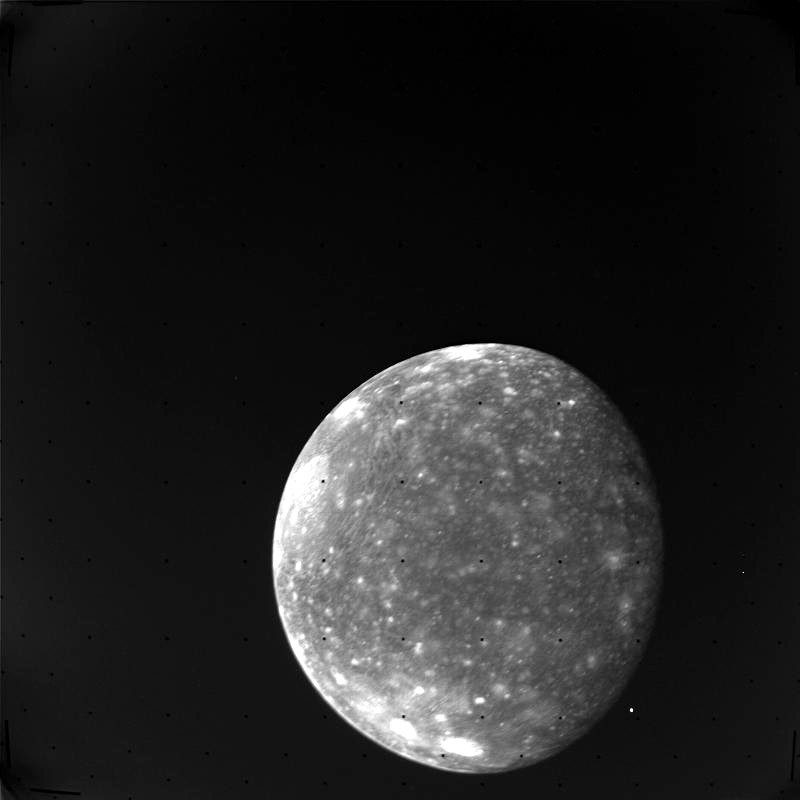
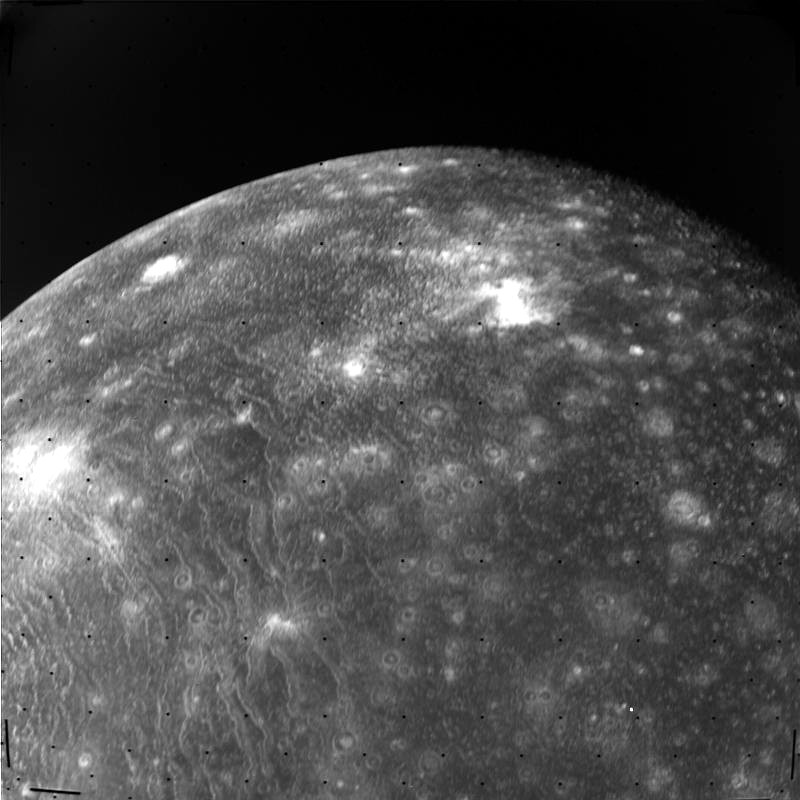
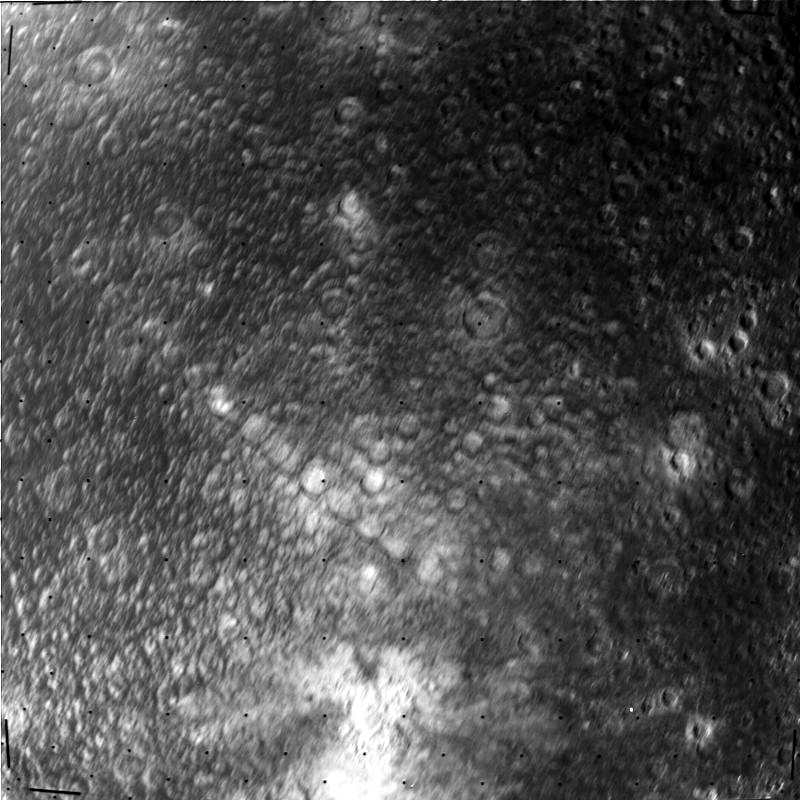
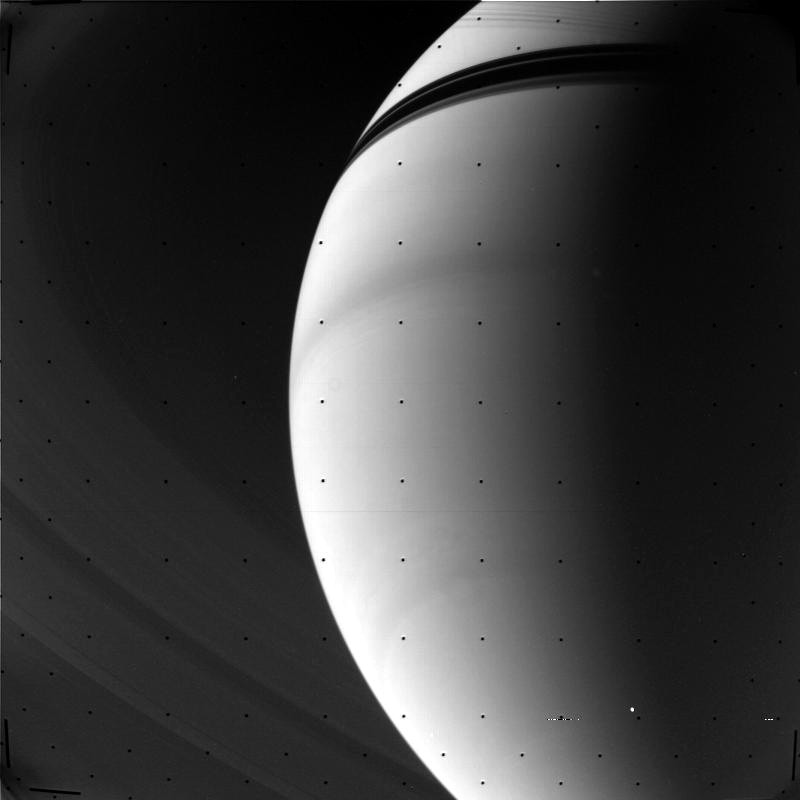
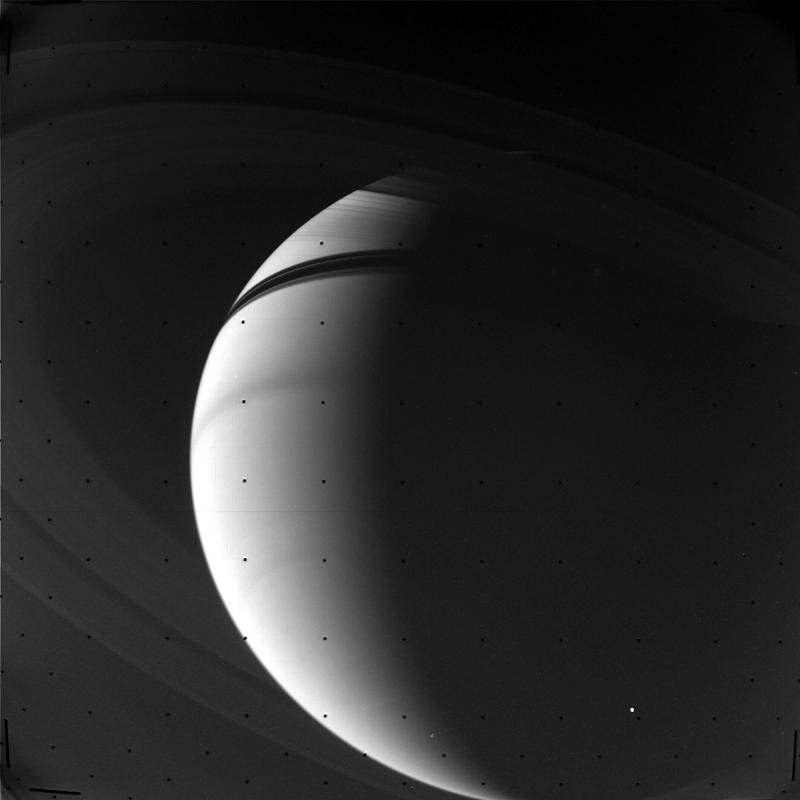
Saturn — the ring system in full, and the crescent departure views.
5 frames · Voyager 1 · contrast-restored from raw PDS calibration data.
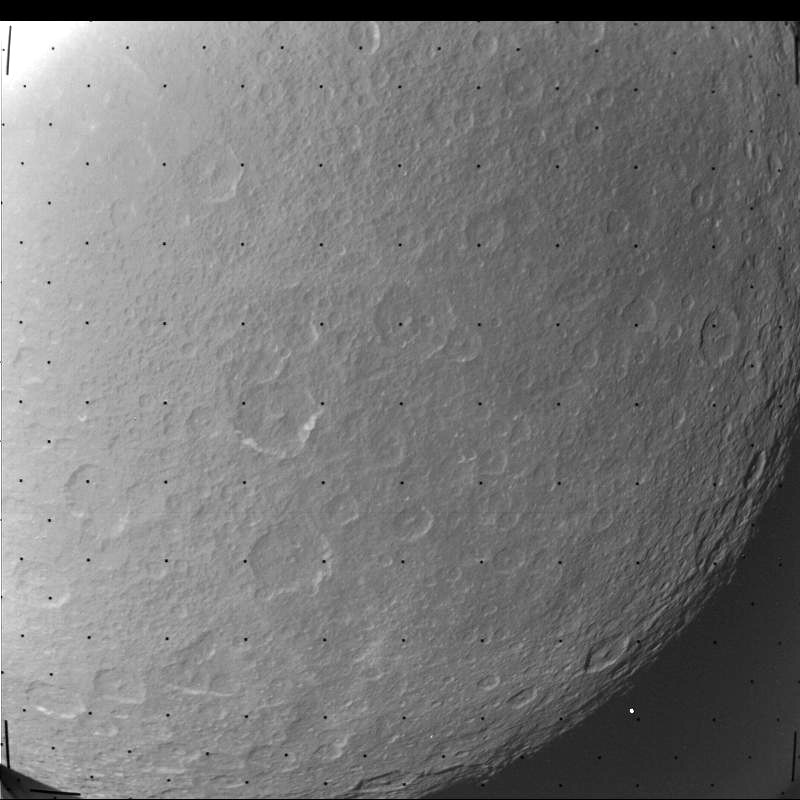
Rhea — Saturn’s second-largest moon, an ancient cratered iceball.
3 frames · Voyager 1 · contrast-restored from raw PDS calibration data.
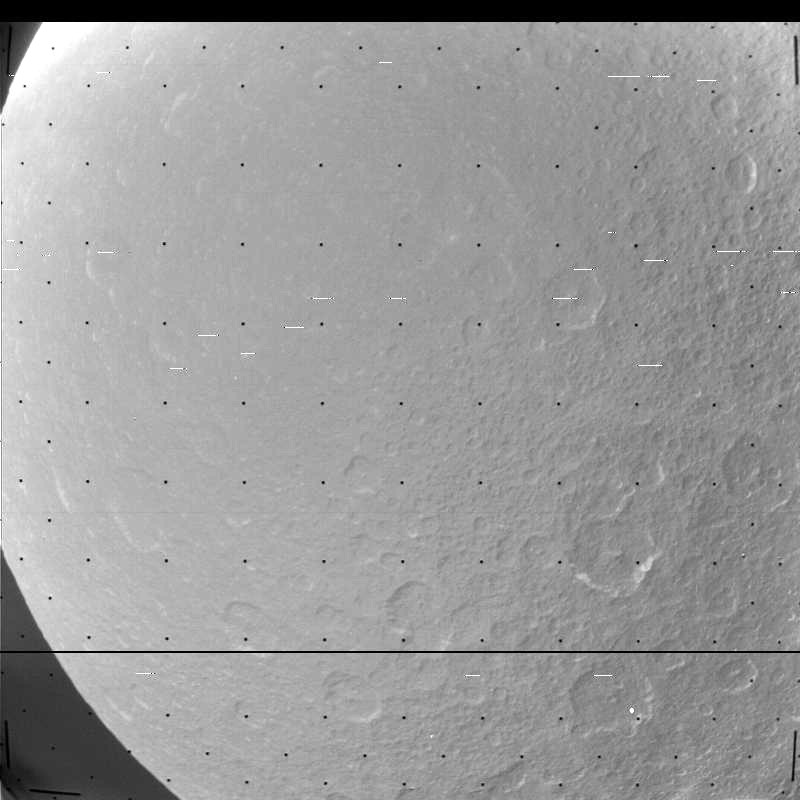
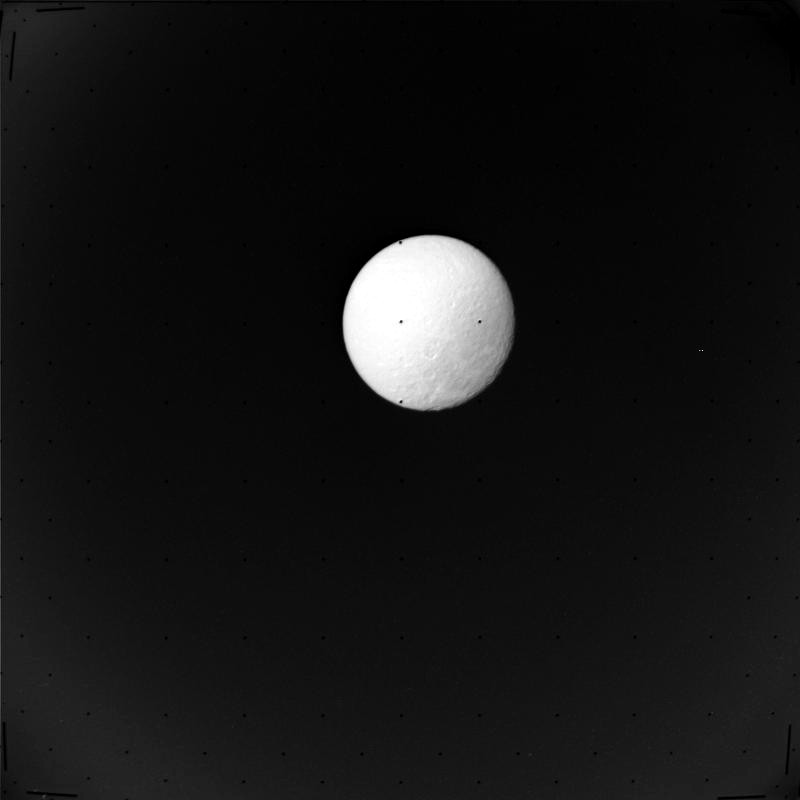
Dione — wispy terrain and bright ice cliffs.
2 frames · Voyager 1 · contrast-restored from raw PDS calibration data.
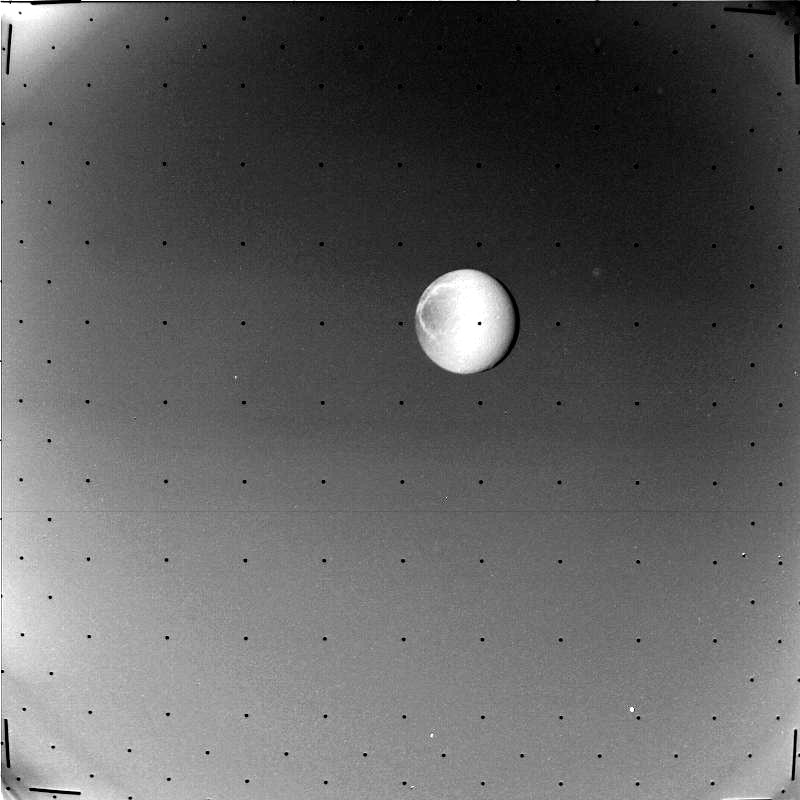
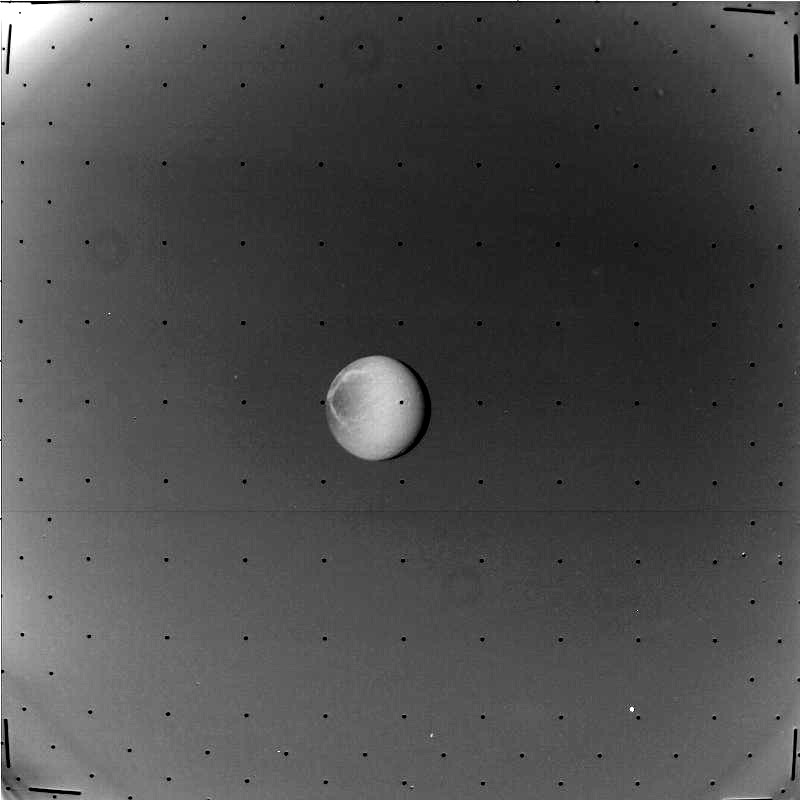
Mimas — the small inner moon dominated by the Herschel impact crater.
1 frame · Voyager 1 · contrast-restored from raw PDS calibration data.
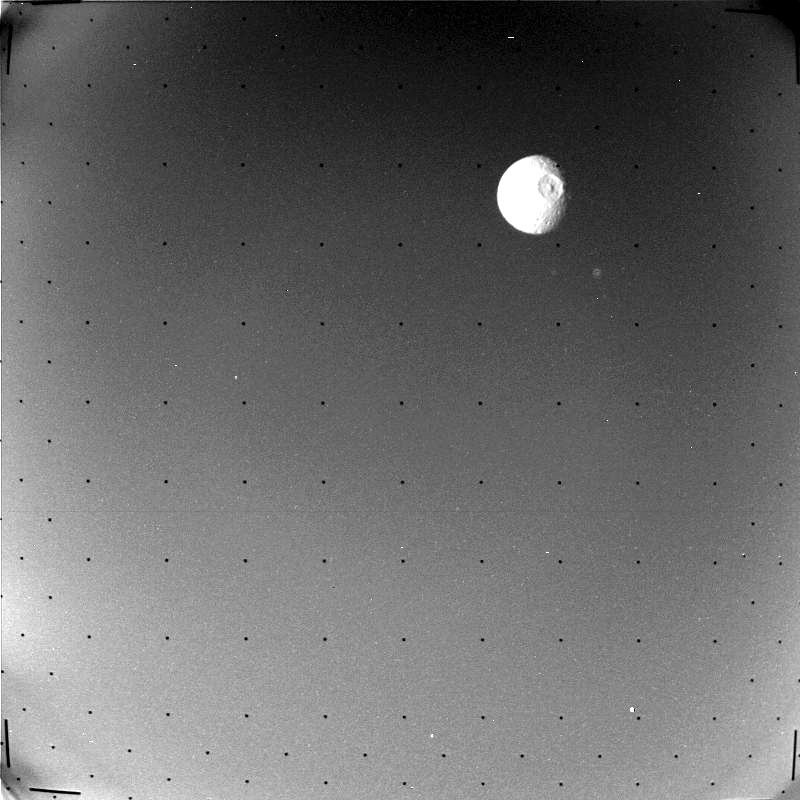
Titan — an impenetrable orange haze; Voyager could not see the surface at all, only a featureless smog ball.
1 frame · Voyager 1 · contrast-restored from raw PDS calibration data.
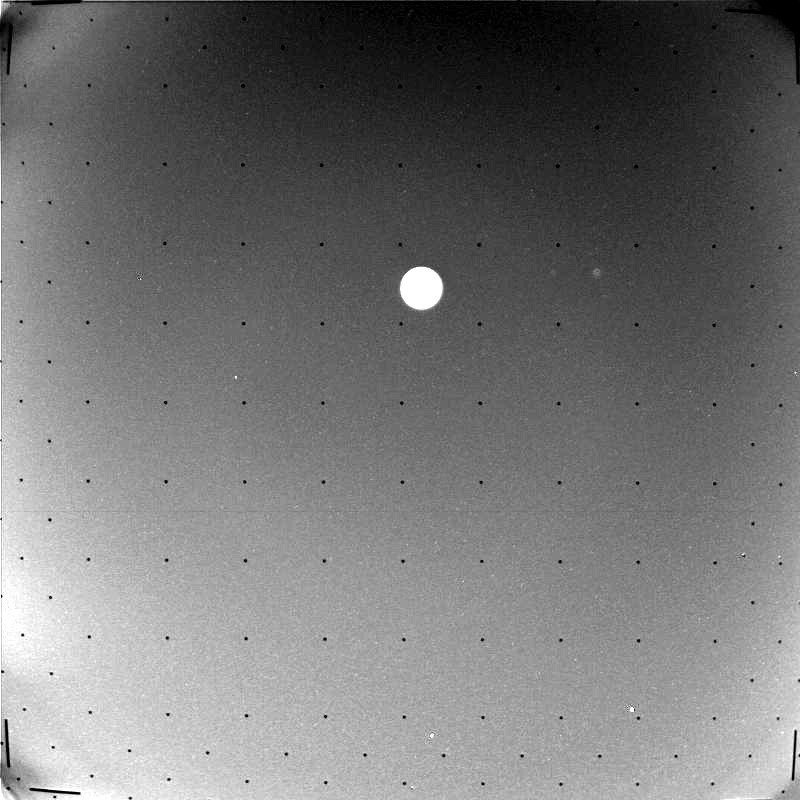
Uranus — a nearly featureless pale disc, tilted 98° on its side.
2 frames · Voyager 2 · contrast-restored from raw PDS calibration data.
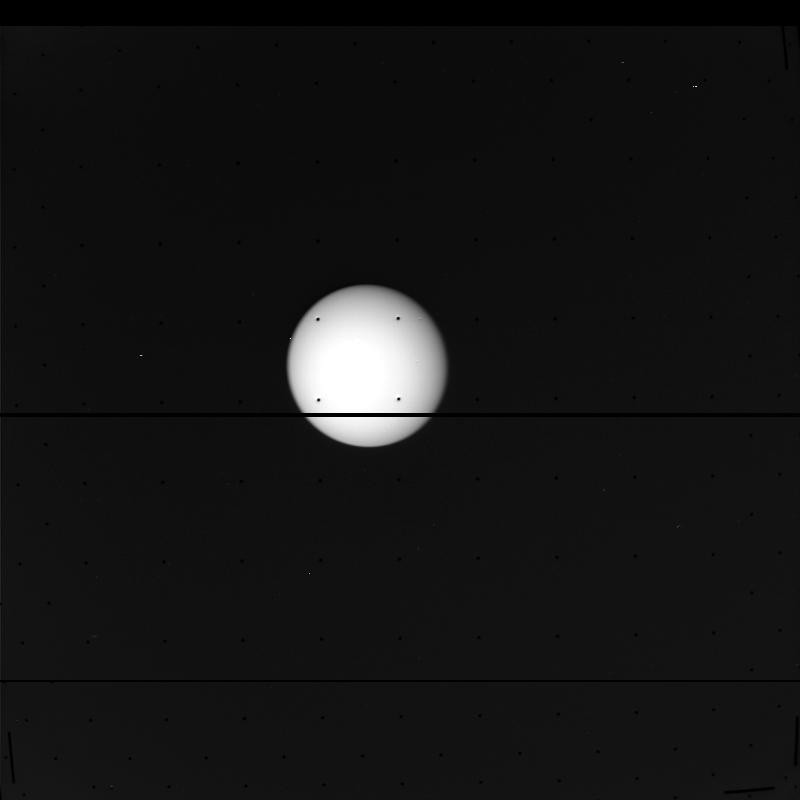
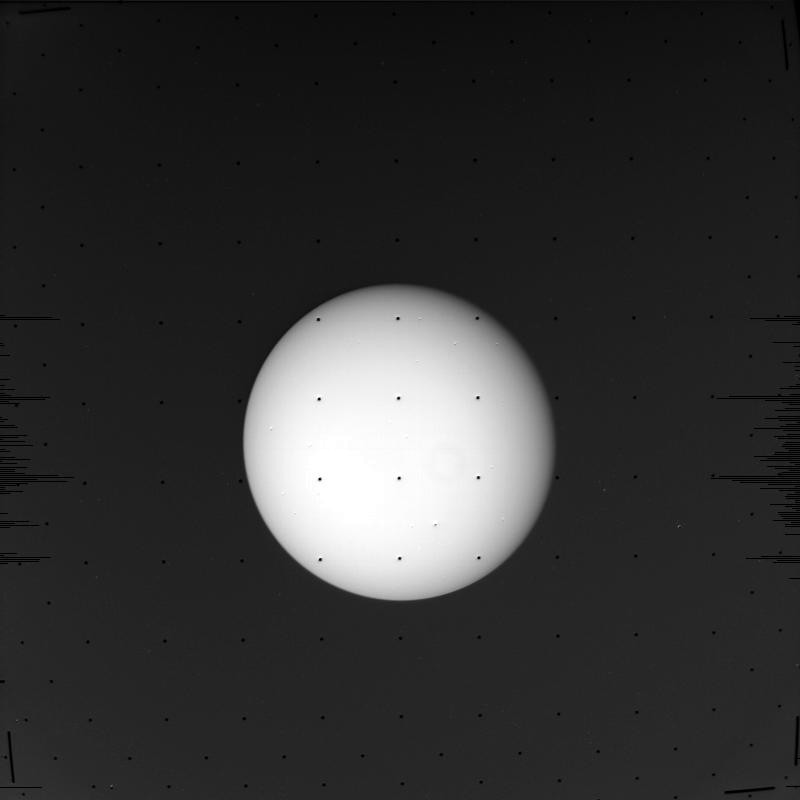
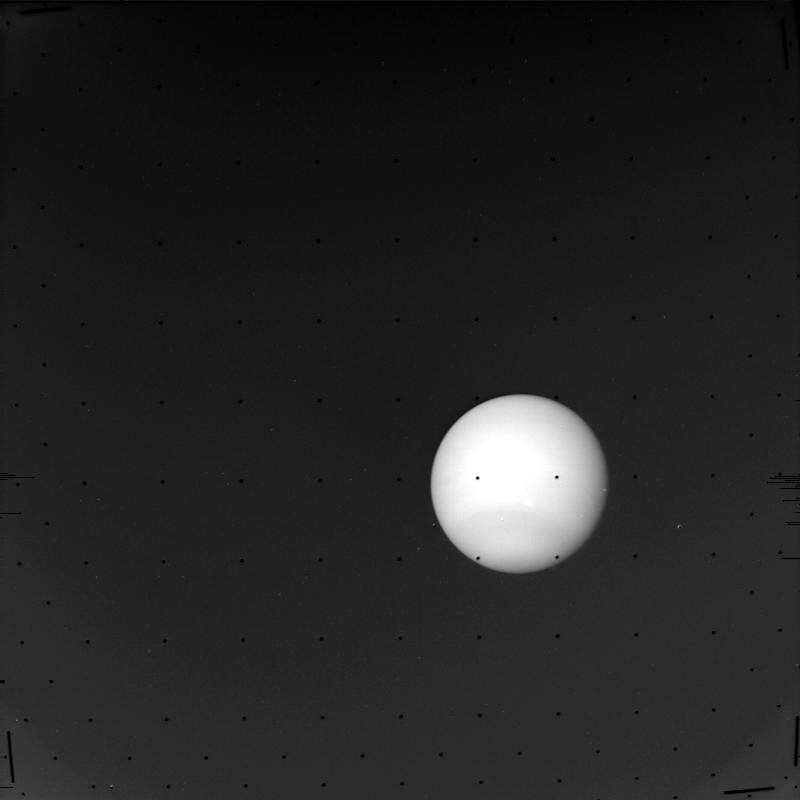
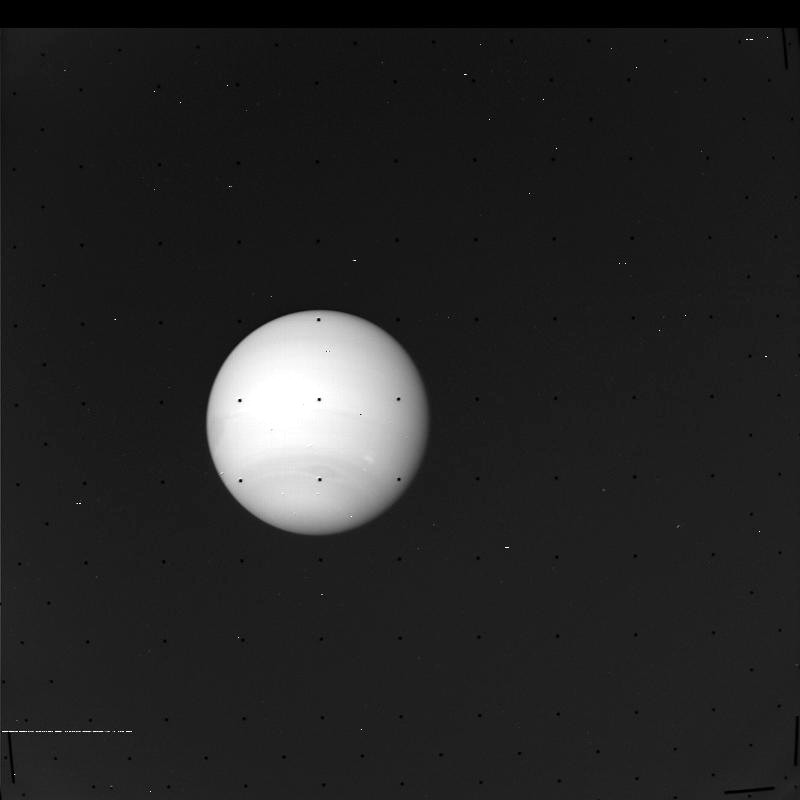
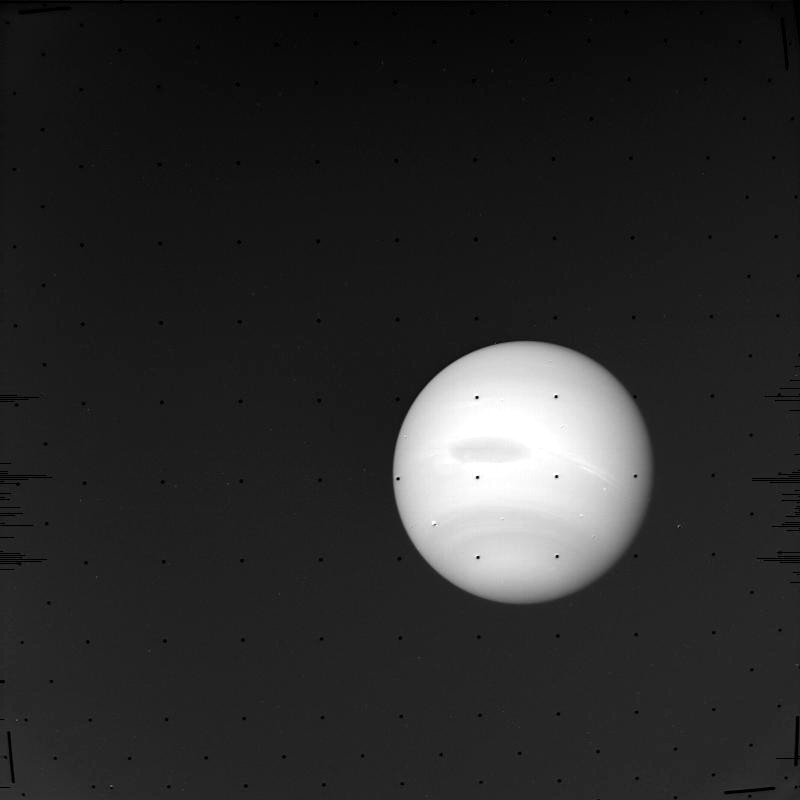
Neptune — deep blue with the Great Dark Spot and high cirrus clouds.
4 frames · Voyager 2 · contrast-restored from raw PDS calibration data.
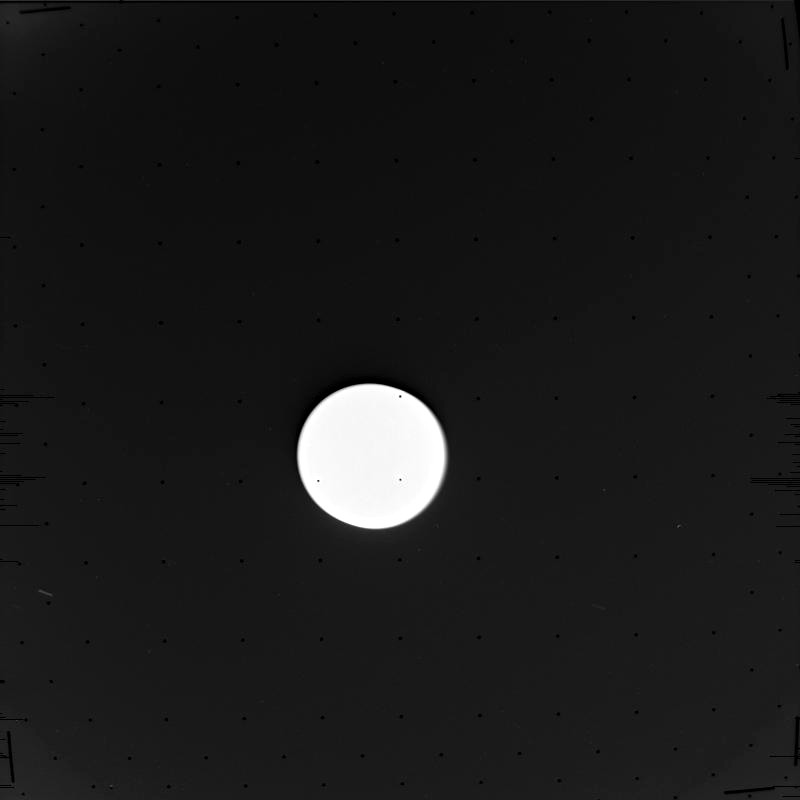
Triton — Neptune’s retrograde moon, nitrogen geysers and cantaloupe terrain.
3 frames · Voyager 2 · contrast-restored from raw PDS calibration data.