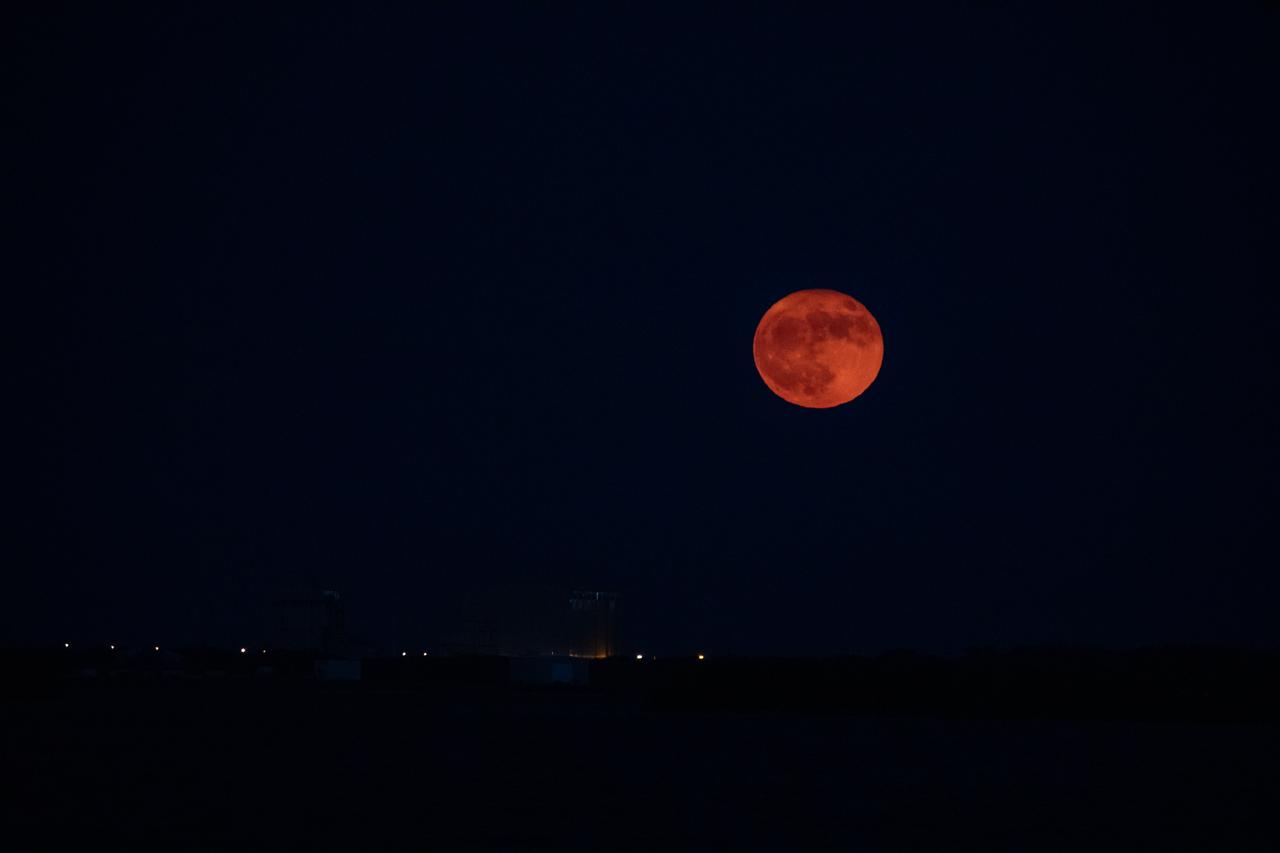
The Impossible Satellite
Too big. Too light. Too perfect. The Moon breaks every rule for natural satellites and nobody can explain how it got here.
The Moon is 27% the diameter of Earth. No other planet in the Solar System has a satellite anywhere close to this ratio. The Moon is not a moon in any conventional sense. It is a companion body.
| Planet | Largest Moon | Moon/Planet Diameter Ratio |
|---|---|---|
| Earth | The Moon | 27.2% |
| Jupiter | Ganymede | 3.7% |
| Saturn | Titan | 4.2% |
| Neptune | Triton | 5.5% |
| Mars | Phobos | 0.33% |
Jupiter is 1,300 times Earth's volume and its largest moon is 3.7% its diameter. Earth is a small rocky planet and its moon is 27%. The ratio is off by an order of magnitude compared to every other planet in the Solar System.
If the Moon followed the same proportional rules as every other satellite in the Solar System, it would be about 300 km across — roughly the size of an asteroid. Instead it is 3,474 km. A quarter the size of Earth.
The Moon is exactly 400 times smaller than the Sun. The Moon is exactly 400 times closer to Earth than the Sun. This means the Moon perfectly covers the Sun during a total solar eclipse — no more, no less.
No other moon in the Solar System produces a perfect eclipse of the Sun from its planet's surface. Not approximately perfect. Not close enough. Exactly perfect. The corona becomes visible. The diamond ring effect occurs. The geometry is precise to within fractions of a degree.
The standard response is "coincidence." But this is not a casual coincidence like finding a four-leaf clover. This is two independent ratios — size and distance — both landing on exactly 400. The odds of this occurring naturally are not calculable because there is no mechanism in orbital mechanics that would produce it.
The Moon is tidally locked to Earth. It rotates on its axis at exactly the same rate it orbits Earth, so the same hemisphere always faces us. We have never seen the far side with the naked eye in all of human history.
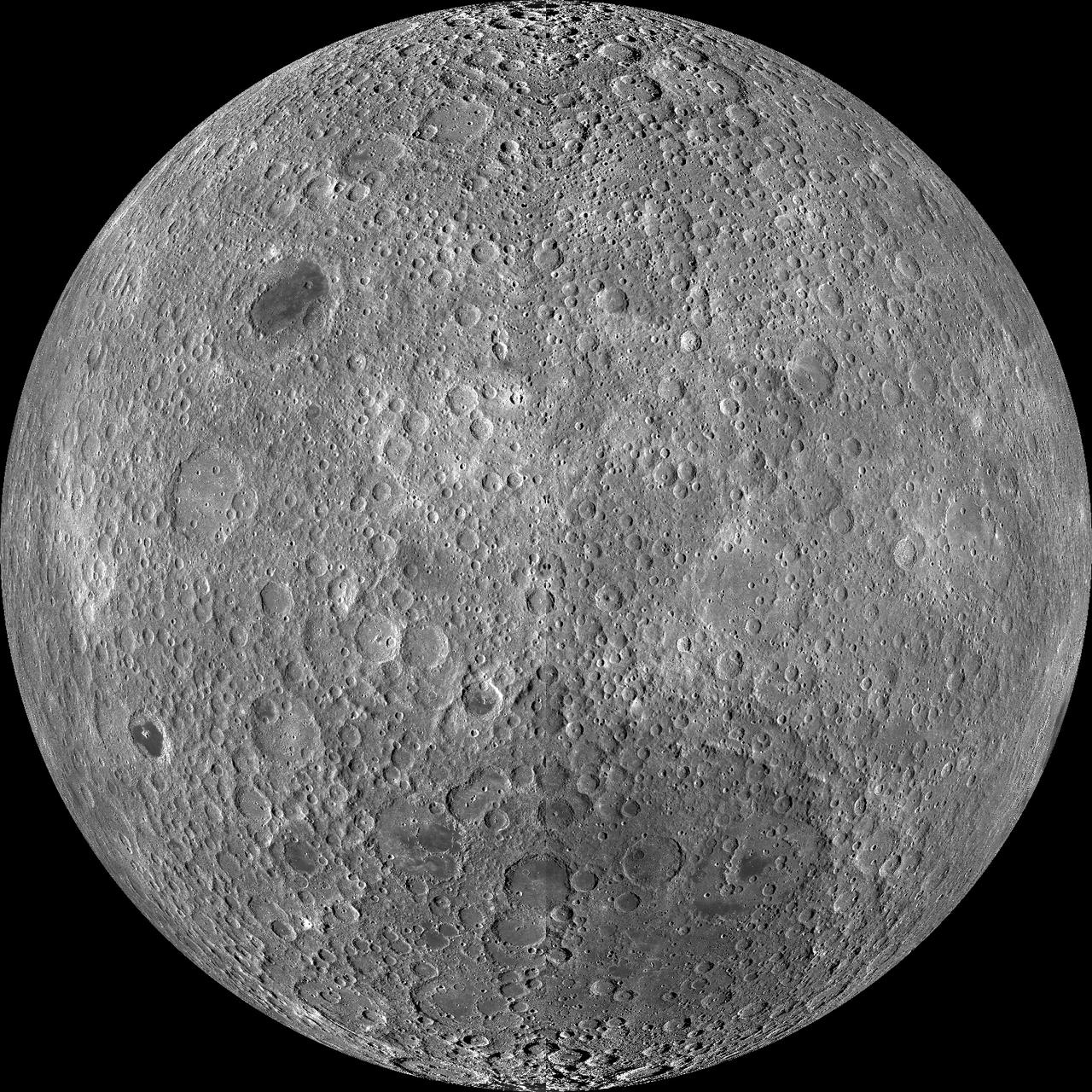
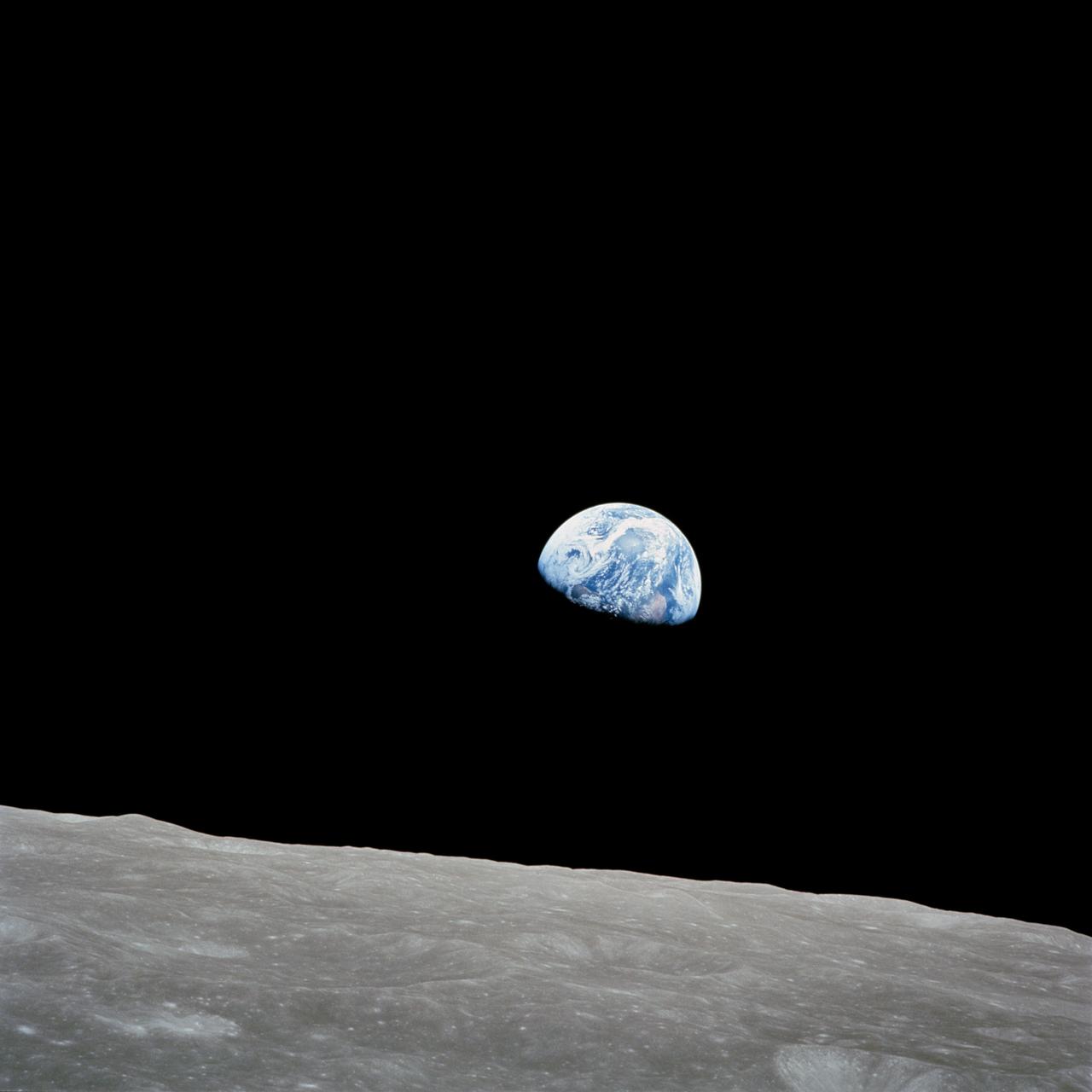
Tidal locking is explained by gravitational interaction over billions of years. Fair enough — other moons are tidally locked too. But the Moon's tidal lock is part of a package of coincidences that compound.
The same face always toward Earth. Perfect eclipse geometry. The wrong size for its planet. Each one alone is explainable. Together they form a pattern that "coincidence" does not cover.
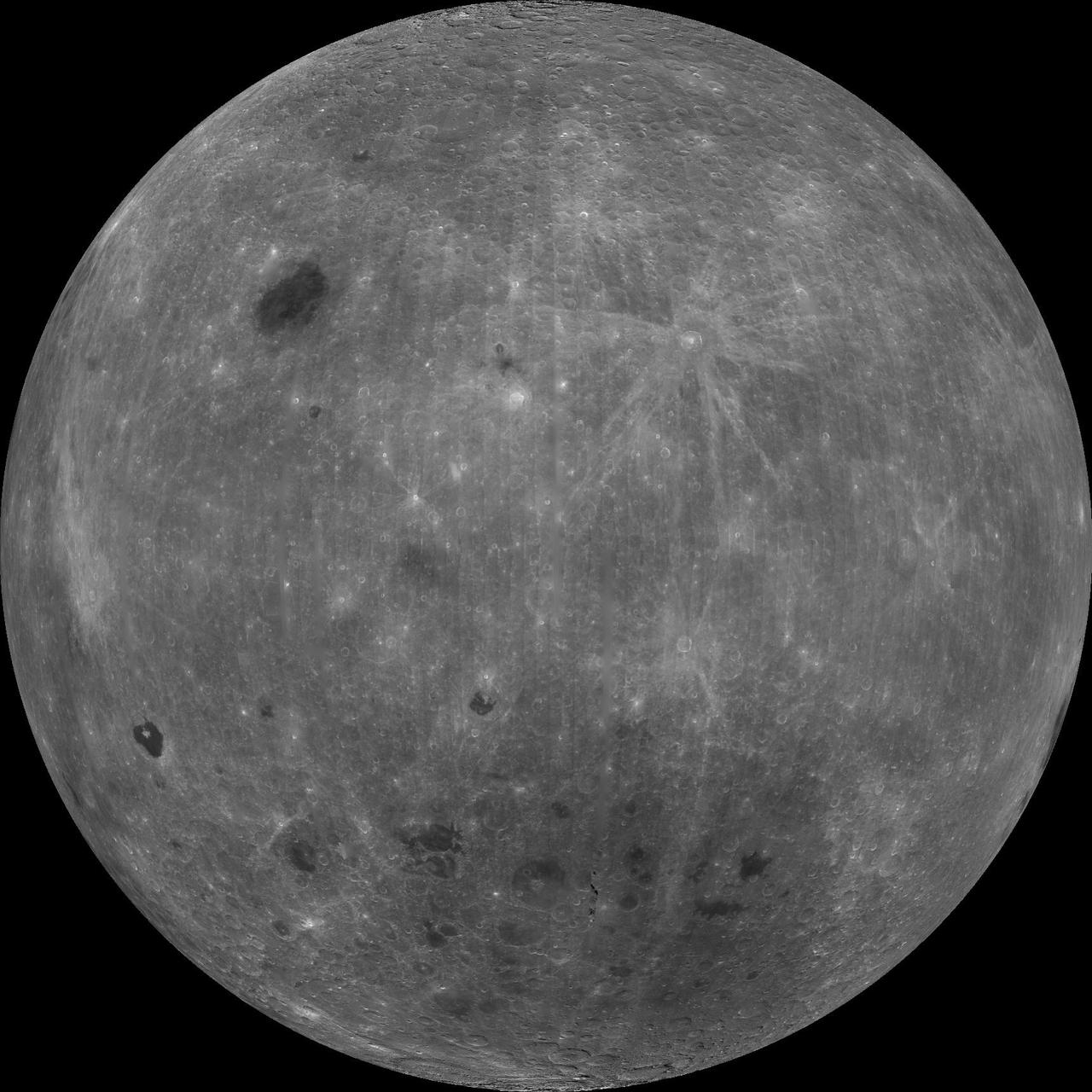
The near side — the face we see — is dominated by dark, flat plains called maria (Latin for seas). These are ancient basaltic lava flows that filled massive impact basins. The far side has almost none. It is a battered, crater-saturated surface that looks nothing like the face we know.
Why the difference? The crust on the far side is 15 km thicker than the near side. The Moon is not symmetrical. Its mass is not evenly distributed. The center of mass is offset about 1.8 km toward Earth. Whatever shaped the Moon did not shape it evenly — and the heavy side faces us.
The Moon's density is 3.34 g/cm³. Earth's density is 5.51 g/cm³. If the Moon formed from the same material as Earth — as the giant impact hypothesis claims — their densities should be similar. They are not.
| Body | Density | Iron Core |
|---|---|---|
| Earth | 5.51 g/cm³ | ~32% of mass |
| Moon | 3.34 g/cm³ | ~2-4% of mass |
| Mars | 3.93 g/cm³ | ~15% of mass |
| Venus | 5.24 g/cm³ | ~30% of mass |
The Moon has almost no iron core. A body that supposedly formed from debris blasted off Earth's surface should contain a representative sample of Earth's composition, including iron. It doesn't.
The low density means the Moon is either hollow or composed of fundamentally different material than Earth. And when NASA deliberately crashed hardware into it to find out what was inside, the results were so strange that one of the lead scientists described it live on camera: the Moon rang like a bell.
On November 20, 1969 — four months after the first Moon landing — the Apollo 12 crew deliberately crashed their Lunar Module ascent stage into the surface after returning to the Command Module. A seismometer they had deployed three days earlier was listening. What it recorded changed everything scientists thought they knew about the Moon's interior.
The 2.5-ton ascent stage struck the surface at 6,048 km/h, impacting 72.5 km from the seismometer at the Apollo 12 landing site. On Earth, an equivalent impact would produce a sharp spike that fades within seconds. On the Moon, the seismic signal built slowly, peaked several minutes after impact, and then continued reverberating for 55 minutes.
At a press conference that same day, Dr. Maurice Ewing — one of the foremost geophysicists of the 20th century, co-principal investigator of the Apollo Passive Seismic Experiment, and founder of the Lamont-Doherty Earth Observatory — described what had just happened:
"It's as though one had struck a bell, say, in the belfry of a church, a single blow, and found that the reverberation from it continued for 30 minutes."
The reverberations were still ongoing as Ewing spoke. They eventually lasted a full 55 minutes. Nothing like this had ever been observed on any planetary body. Earth impacts produce a sharp signal that dissipates quickly. The Moon's signal did the opposite — it grew, sustained, and slowly faded, as though the entire body were vibrating as a single resonant structure.
The result was so unexpected that NASA made it deliberate policy. Starting with Apollo 13, every subsequent mission targeted its spent S-IVB third stage — a 14-ton rocket booster — directly at the lunar surface to produce controlled seismic impacts at known times and locations.
| Mission | Date | Impactor | Impact Speed | Seismic Duration |
|---|---|---|---|---|
| Apollo 12 | Nov 20, 1969 | LM Ascent Stage (2.5 tons) | 6,048 km/h | 55 minutes |
| Apollo 13 | Apr 14, 1970 | S-IVB Stage (14 tons) | 9,330 km/h | 3 hours 20 minutes |
| Apollo 14 | Feb 4, 1971 | S-IVB Stage (14 tons) | ~9,000 km/h | Detected by A12 seismometer |
| Apollo 15 | Jul 29, 1971 | S-IVB Stage (14 tons) | ~9,000 km/h | Detected by A12 + A14 |
| Apollo 16 | Apr 19, 1972 | S-IVB Stage (14 tons) | ~9,000 km/h | Detected by A12, A14, A15 |
| Apollo 17 | Dec 10, 1972 | S-IVB Stage (14 tons) | ~9,000 km/h | Detected by A12, A14, A15, A16 |
The Apollo 13 S-IVB impact was the most dramatic. The 30,700-pound booster hit at 5,600 mph, releasing energy equivalent to 7.7 tons of TNT. It struck 137 km from the Apollo 12 seismometer. The resulting signal was so powerful that ground controllers had to send a command to reduce the seismometer's gain — the instrument was being overloaded. The Moon vibrated for 3 hours and 20 minutes.
With each subsequent Apollo mission, a new seismometer was deployed on the surface, building a network that eventually spanned four stations. Every S-IVB impact from Apollo 14 through 17 was recorded by multiple stations simultaneously. The pattern was consistent every single time: slow buildup, sustained vibration, gradual decay over an extended period. The Moon rang every time they hit it.
On Earth, seismic waves travel through rock, water, and varying density layers. The signal arrives sharply and dissipates as energy is absorbed by the complex interior. On the Moon, the signal behaved as though it were traveling through a body with extremely low internal damping — a structure that does not absorb vibrational energy the way solid rock does.
The official explanation points to the Moon's bone-dry megaregolith — a layer of shattered, fractured rock several kilometers deep, produced by billions of years of bombardment. In this dry, fragmented medium, seismic waves scatter among the fractures and arrive at the seismometer from many directions over extended periods, smearing the signal into a long coda rather than a sharp pulse.
The alternative interpretation: the Moon's interior is not solid. The low density (3.34 g/cm³ vs Earth's 5.51), the near-absence of an iron core, the uniform shallow crater depth regardless of impactor size, and the bell-like ringing behavior are all consistent with a body that is hollow or contains massive internal cavities.
The Apollo Passive Seismic Experiment network operated on the lunar surface from 1969 to 1977, recording over 12,000 seismic events — both artificial impacts and natural moonquakes. The data confirmed that the Moon's seismic behavior is fundamentally different from Earth's in ways that existing geological models still struggle to fully explain. Dr. Clive Neal of Notre Dame, a leading lunar seismologist, has advocated for deploying a modern seismic network on the Moon because, as he put it, the Apollo-era data raised more questions than it answered.
The Moon's orbit is nearly circular — eccentricity of 0.0549. Captured objects follow eccentric, often irregular orbits. Objects formed from impact debris should show orbital artifacts of the collision. The Moon's orbit is clean.
Phobos orbits Mars with an eccentricity of 0.0151 — but Phobos is 22 km across. The Moon is 3,474 km across and maintains a nearly perfect circle around a planet it supposedly crashed into existence with. The orbit is also tilted 5.14° to the ecliptic — not aligned with Earth's equator as you'd expect from an impact-born debris disk.
Every origin theory has a fatal flaw:
Three theories. Three failures. Nobody knows how the Moon got here.
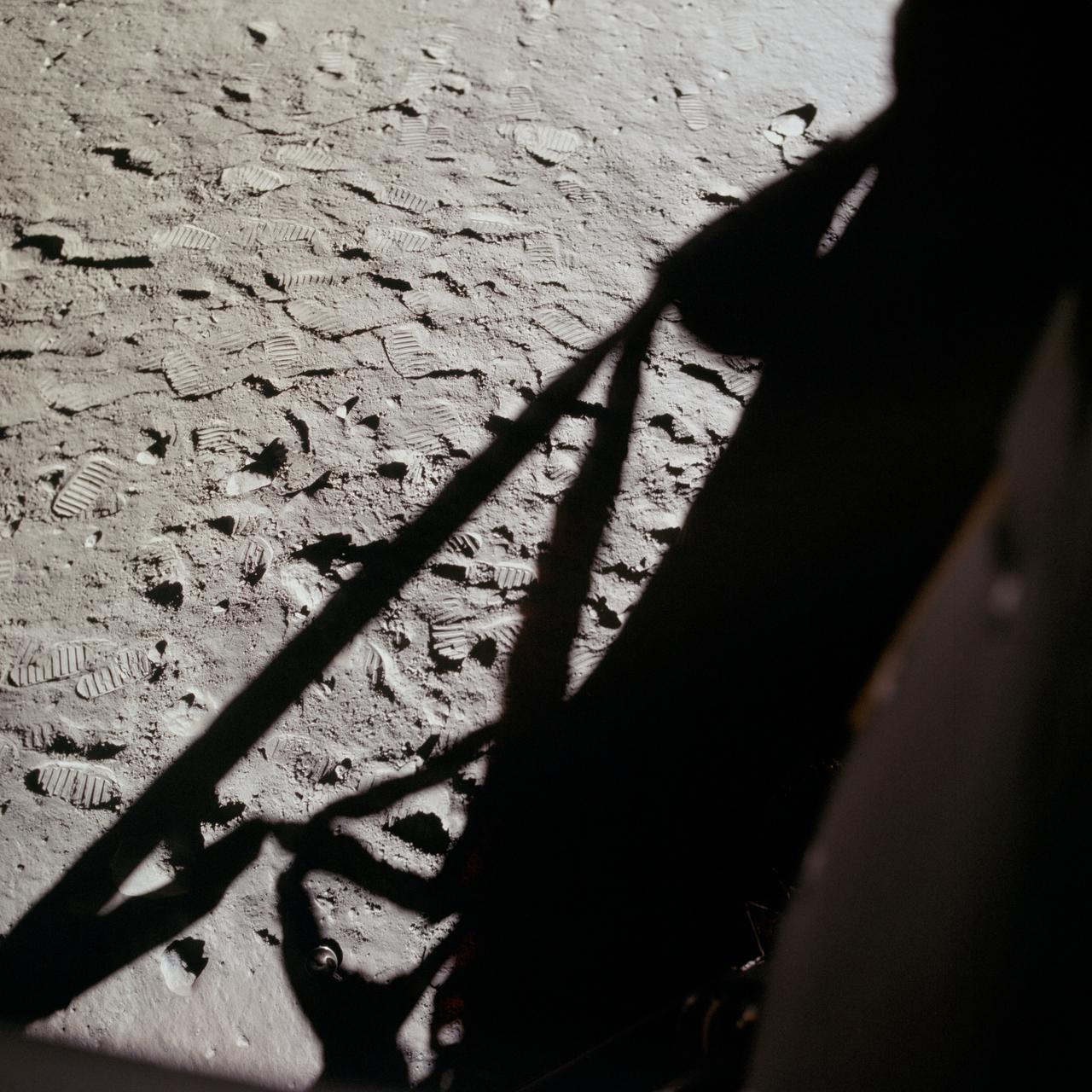
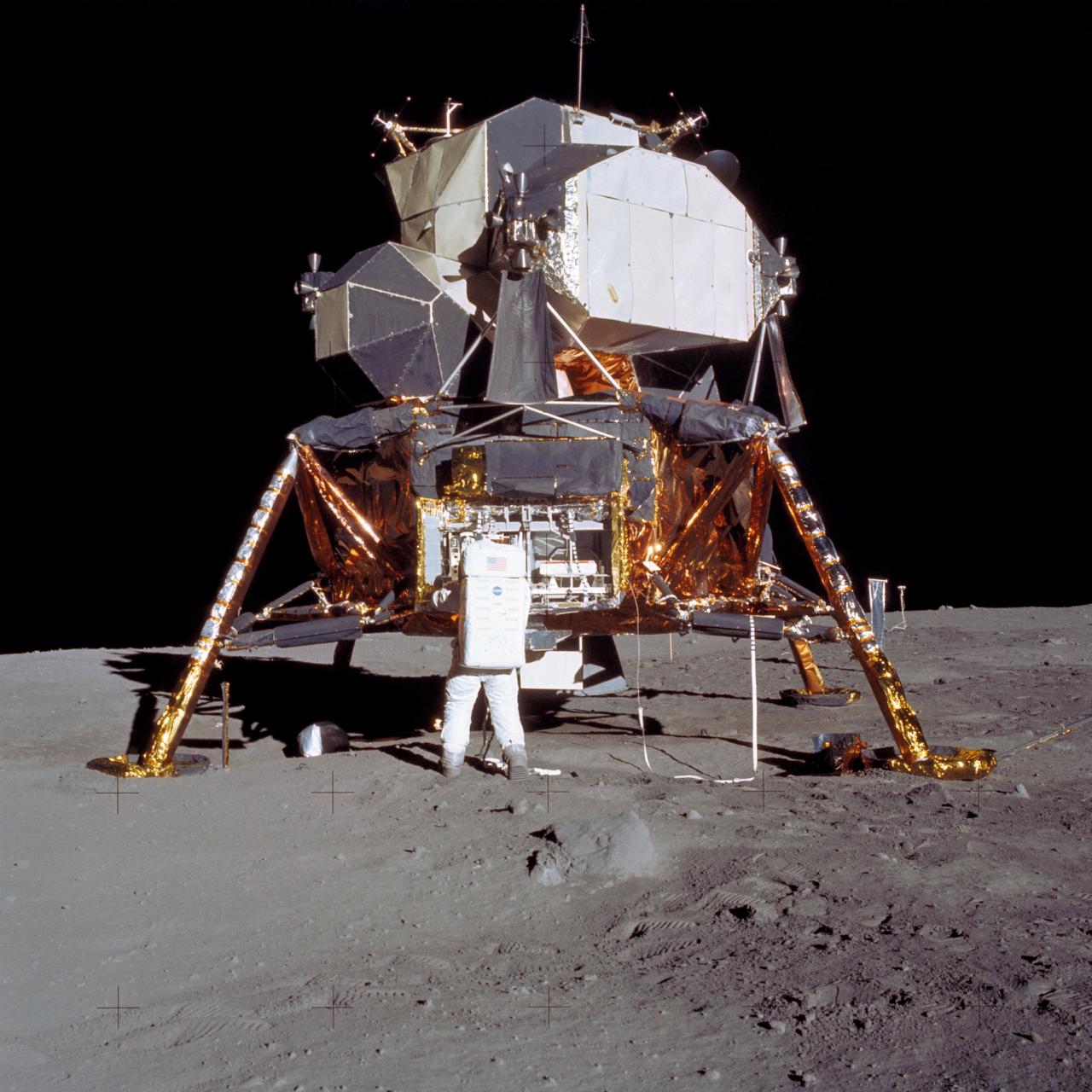
Between 1969 and 1972, twelve humans walked on the Moon. They brought back 382 kg of lunar rock. They planted seismometers, reflectors, and flags. They took photographs that remain the most detailed ground-level views of another world ever captured. Then humanity stopped going and never went back for over fifty years.
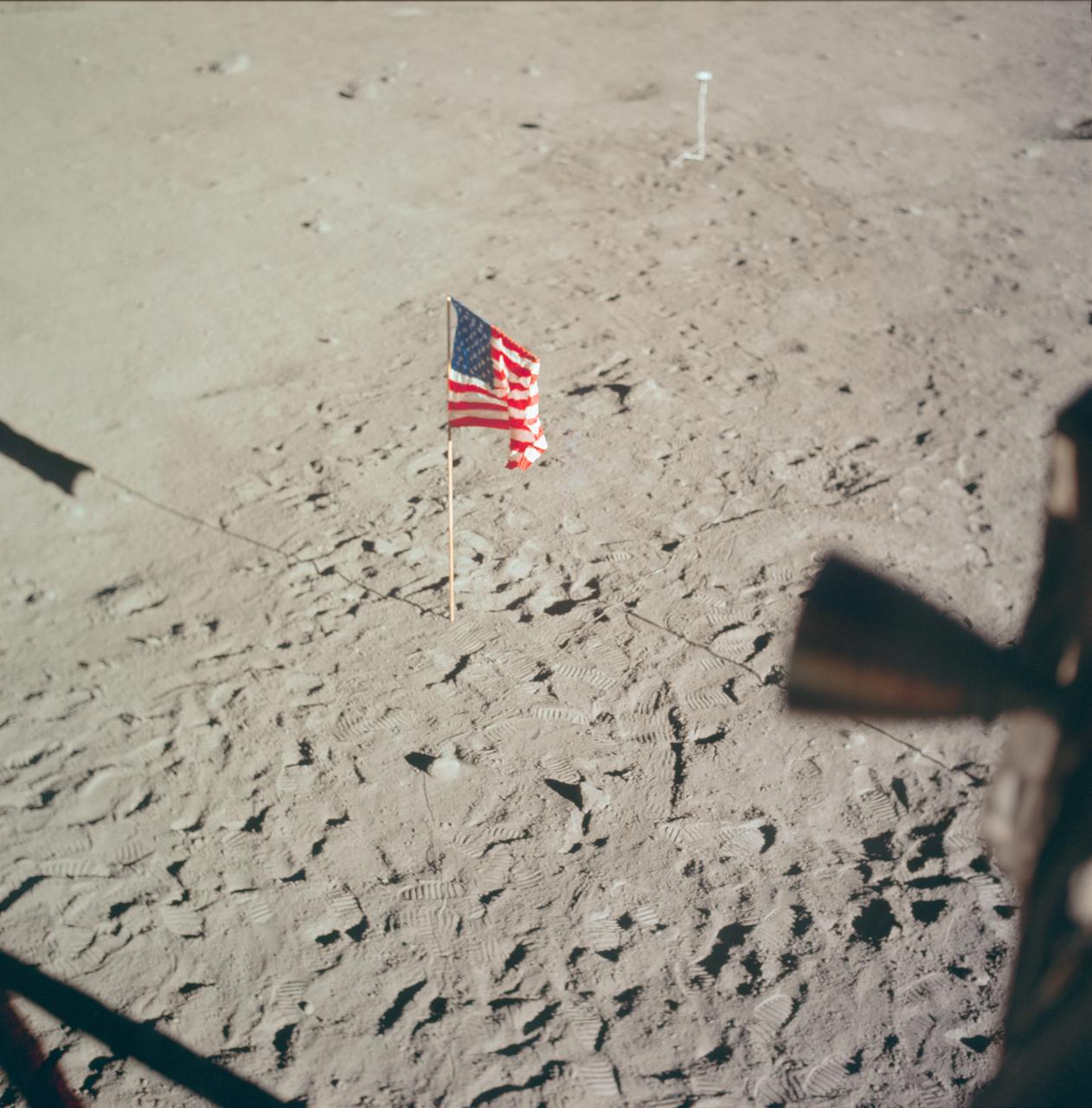
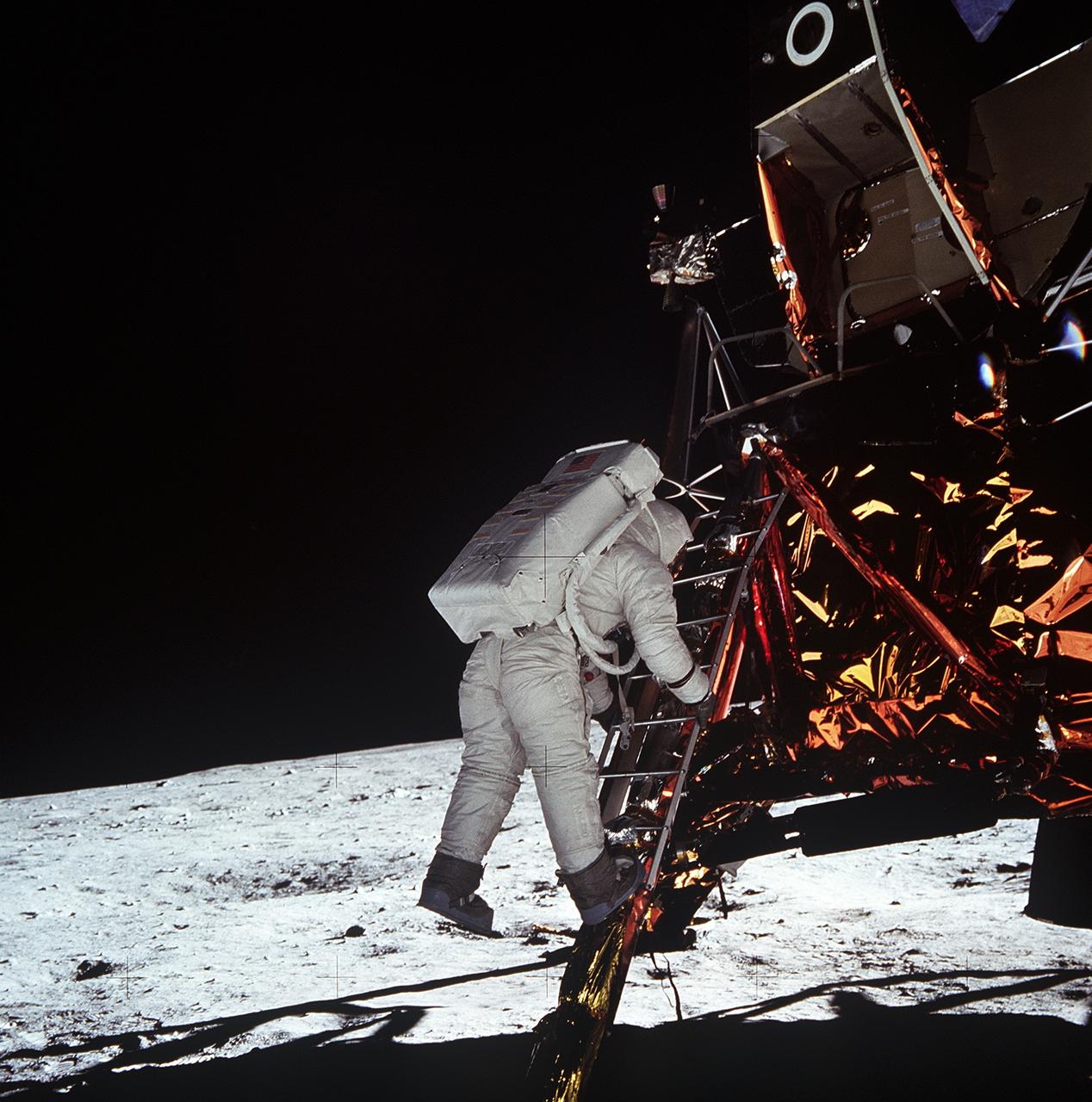
The Apollo missions confirmed several anomalies that had only been theorized from Earth. The surface soil — regolith — is older than the rocks beneath it. Some lunar rocks contain processed metals like brass and mica. Titanium was found in concentrations ten times higher than on Earth. The soil itself was found to be magnetic despite the Moon having no global magnetic field.
The Apollo astronauts also reported strange light phenomena — bright flashes seen with closed eyes caused by cosmic rays passing through the cabin and their retinas. On the surface, they described the fine lunar dust as smelling like "spent gunpowder." Nobody knows why.
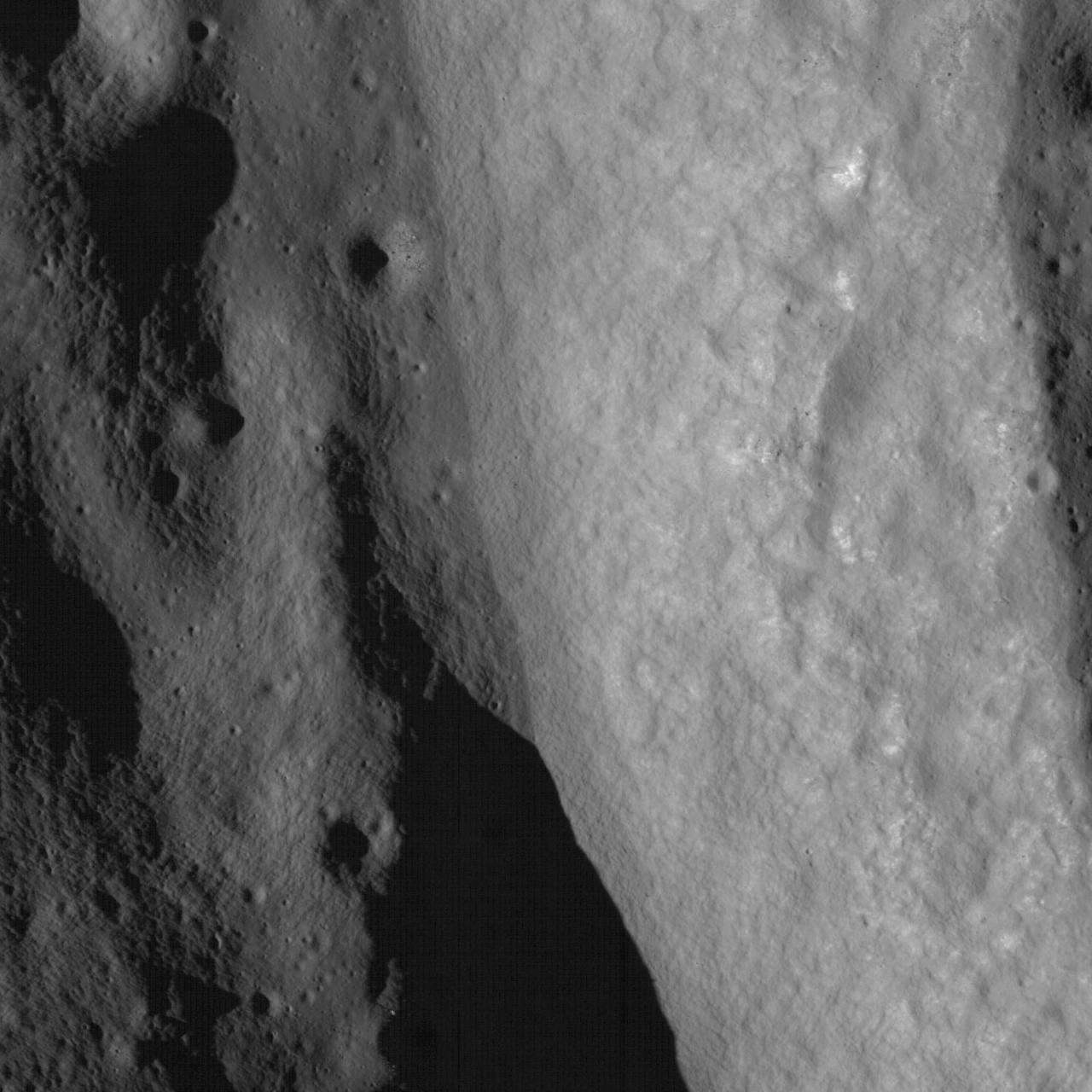
Regardless of the size of the impactor, lunar craters never exceed a certain depth. Small craters are shallow. Enormous craters — hundreds of kilometers across — are also shallow. Something stops the impacts from penetrating beyond a certain point.
| Crater | Diameter | Depth | Depth/Diameter Ratio |
|---|---|---|---|
| Gagarin (far side) | 265 km | ~3 km | 1.1% |
| South Pole-Aitken Basin | 2,500 km | ~8 km | 0.3% |
| Copernicus | 93 km | 3.8 km | 4.0% |
The South Pole-Aitken Basin is one of the largest impact structures in the entire Solar System — 2,500 km across. It should be hundreds of kilometers deep. It's 8 km deep. Something under the surface stopped the excavation.
On a solid, uniform body, depth scales with diameter. On the Moon, it doesn't. There is a floor beneath the floor.
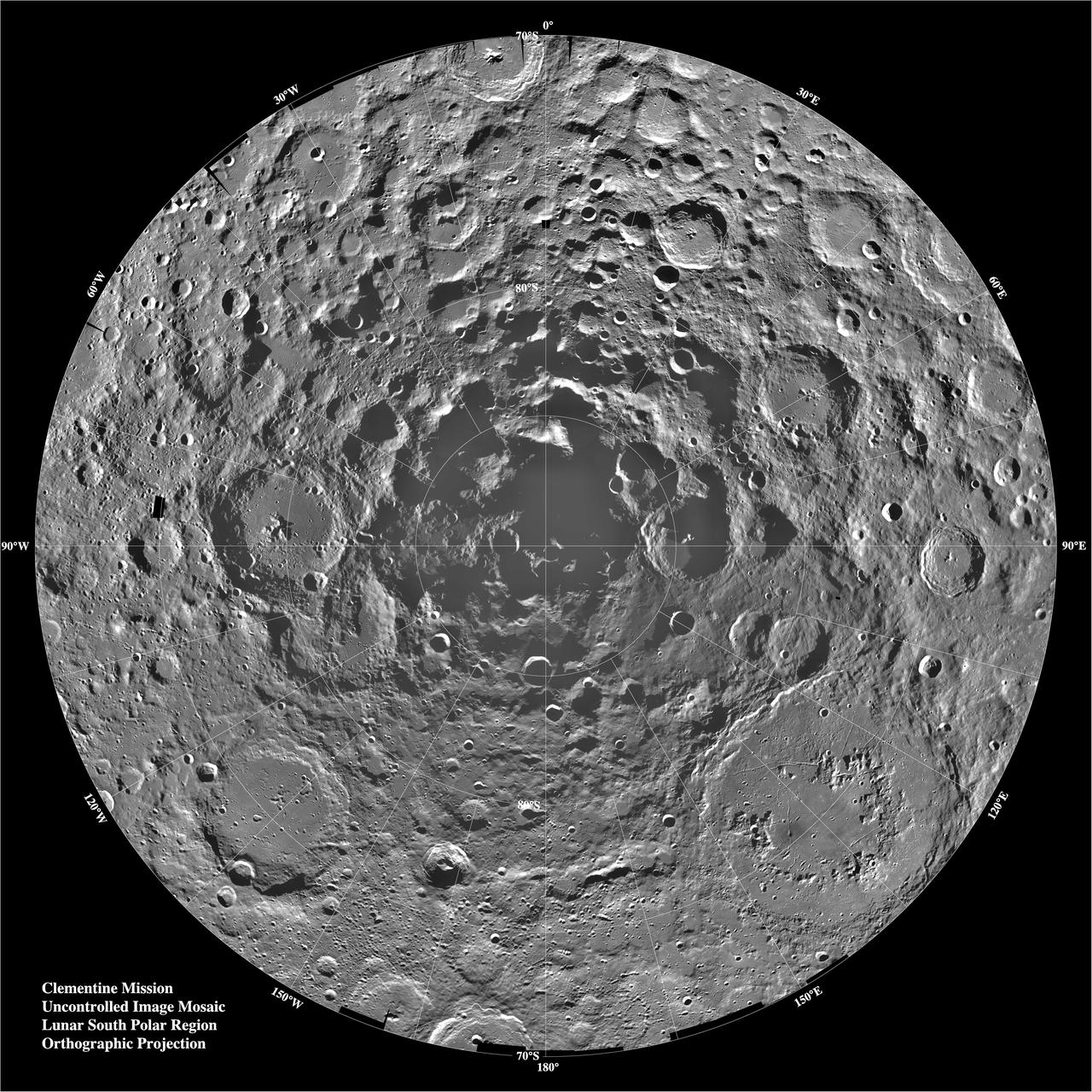
Without the Moon, Earth's axial tilt would wander chaotically between 0° and 85° over millions of years. The Moon's gravitational influence locks Earth's tilt at a stable 23.4°. This tilt gives us seasons, prevents extreme climate oscillation, and makes complex life possible.
Mars has no large moon. Its axial tilt has varied between 10° and 60° over its history. The result: catastrophic climate swings that may have stripped its atmosphere and frozen its water.
Earth has the Moon. Earth's tilt barely moves. The seasons are predictable. The climate is stable enough for complex ecosystems to evolve over hundreds of millions of years.
Remove the Moon and Earth becomes Mars — a planet of wild axial swings, unpredictable seasons, and hostile surface conditions. The Moon is not orbiting Earth. It is stabilizing Earth.
The Moon is moving away from Earth at 3.8 cm per year. Run the clock backwards and approximately 1.5 billion years ago, the Moon would have been close enough to destroy both bodies through tidal forces. Run it forward and eventually the Moon leaves Earth's influence entirely.
The Moon is in transit. It arrived at some point, it is performing a function now, and it will leave at some point. The window of perfect solar eclipses, stable axial tilt, and ideal tidal conditions is temporary.
We happen to exist during the exact window when all of these conditions are active simultaneously. The perfect eclipse. The stable tilt. The tides that pulled life from ocean to land. All of it depends on the Moon being exactly where it is, exactly the size it is, at exactly this moment in its transit.
That's not luck. That's timing.
In 2012, an amateur astronomer filming the Moon through a high-powered telescope captured something that should not exist — a visible wave rippling across the entire face of the Moon from top to bottom. He captured it again. And again. Then other people around the world captured it too.
The observer who first documented this phenomenon — known by the handle Crrow777 — has spent over a decade recording the Moon through professional-grade telescopes. His pledge: only post unaltered footage, never post deceptive or false material. The lunar wave footage has been analyzed, scrutinized, and debated — but it has never been debunked.
The wave moves across the Moon's face like a refresh line on an old CRT monitor. It's not atmospheric distortion — atmospheric effects shimmer and ripple randomly. This is a linear wave that traverses the entire disc in one uniform motion. It has been captured independently by approximately 30 other observers worldwide, using different equipment, in different atmospheric conditions, on different dates.
No conventional explanation accounts for the lunar wave. The main candidates that have been proposed:
The last explanation is the one nobody is allowed to take seriously. But it is the only one that matches the observed phenomenon — a uniform, linear, repeating wave that crosses the entire visible surface in a single sweep. Exactly like a display refreshing.
Crrow777 also captured what he describes as a "solar wave" — the same type of uniform linear distortion crossing the face of the Sun, observed through a hydrogen alpha solar telescope. If the same phenomenon occurs on both the Moon and the Sun, the implications extend far beyond either body. The question becomes: what are we actually looking at when we look up?
The Moon is too big, too light, too round, too precise, and too useful to be an accident. It doesn't match any model for natural satellite formation. It performs a function — stabilizing the only planet in the Solar System known to support complex life — with engineering-grade precision.
The simplest explanation is the one nobody is allowed to say: it was put there.
Every human who has ever lived has looked up at the same face of the same object in the same position relative to the Sun. No other experience in human history is this universal. The Moon is the one thing every civilization, every culture, and every individual on Earth shares. And after thousands of years of looking at it, we still don't know what it is.